
Taiwan incense-cedar
Calocedrus formosana
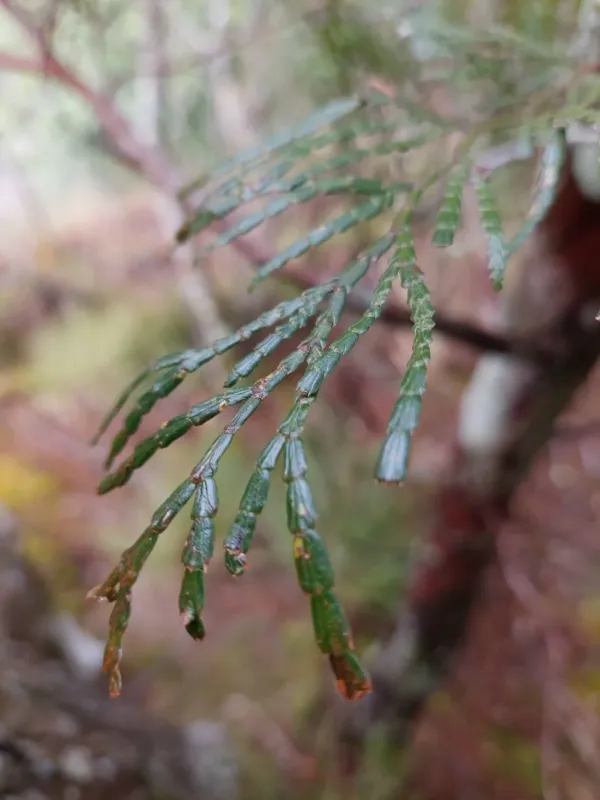
Description
Sowing dates
Propagation of Taiwan incense-cedar is primarily conducted through seeds, which must be harvested when cones change color to brown. Successful germination requires a stratification period of several weeks at low temperatures to break dormancy.
Seeds are typically sown in nursery beds during early spring. A nutrient-rich, light, and well-drained substrate is crucial to support the delicate root system of young seedlings during the first critical stages of development.
Seedlings need consistent moisture during the first year. Providing a shade screen is recommended to protect the plants from harsh direct sunlight, which can cause heat stress and dehydration in young specimens.
Transplanting to the permanent location should occur after two to three years of nursery growth. Using container-grown stock significantly increases survival rates as it minimizes root disturbance during the planting process.
Spacings for plantation forestry are determined by the intended end use. A balanced density ensures that individual trees have enough space to develop robust trunks while encouraging upward growth towards the light.
Growing requirements
Calocedrus formosana is a mountain species native to Taiwan, requiring high air humidity and a temperate climate. It thrives in conditions that mimic its natural habitat in the cloud forests, characterized by regular rainfall.
Deep, fertile, and well-drained soils are essential for healthy growth. The species prefers slightly acidic conditions but is adaptable to various soil profiles provided that water does not stagnate around the roots.
While the tree is moderately shade-tolerant, optimal commercial timber development occurs in areas with plenty of ambient light. Exposure to excessive wind should be avoided as it can cause crown damage.
Maintaining a stable temperature range is vital. The species does not handle extreme heat well, and site selection should prioritize locations that offer some protection from intense afternoon sun in warmer regions.
Soil management should include regular application of organic matter to improve structure and water retention. Proper drainage is the most critical technical requirement for long-term survival.
Yield
The primary economic value of the Taiwan incense-cedar lies in its high-quality timber, which is aromatic, durable, and naturally resistant to decay and insect infestations. It is highly prized in the luxury furniture industry.
The tree grows at a moderate pace, typically requiring a rotation cycle of 50 to 70 years to reach harvestable size. Its wood density and straight grain make it ideal for fine woodwork and carvings.
Beyond timber production, the cultivation of this species is essential for environmental conservation and the restoration of native forests, providing ecological stability and habitat for local wildlife.
In addition to industrial uses, the incense-cedar is highly valued in horticulture. Its elegant, narrow, and columnar growth habit makes it a popular choice for large-scale landscaping and public parks.
The integration of sustainable harvesting practices is key to maintaining the economic viability of incense-cedar plantations while protecting the remaining natural genetic diversity of this threatened species.
Main diseases and pests
Root rot caused by waterlogging is the most significant threat to plantation health. Managing drainage systems is the most effective preventative measure against fungal colonization of the roots.
Insect pests, such as wood-boring beetles, primarily attack trees weakened by environmental stressors or drought. Early detection and removal of affected trees are standard protocols to prevent spread.
Severe typhoons and strong storms common in the native habitat pose a significant risk of physical damage to the canopy. Proper site selection and initial pruning can help mitigate these risks.
Integrated Pest Management (IPM) strategies, which include monitoring and targeted interventions, are recommended for large-scale production to minimize the need for heavy chemical usage.
- Regular site sanitation and removal of dead debris.
- Monitoring for pest activity during dry seasons.
- Ensuring proper soil drainage at all stages.