
Dolichandrone
Dolichandrone
Dolichandrone is a genus of tropical trees belonging to the Bignoniaceae family, native to regions across Asia, Africa, and parts of Australia. These plants are known for their distinct botanical structure and ecological adaptability in warm climates.
What the section contains


Dolichandrone
For optimal growth, the species requires well-drained soils and high-moisture environments, as they are specifically adapted to tropical forest and savannah conditions.
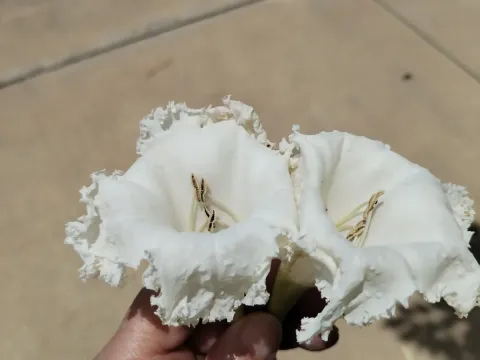
Botanically, Dolichandrone trees feature compound pinnate leaves and produce large, often fragrant tubular flowers that are significant for local biodiversity and pollinators.
The fruit of this plant consists of long, slender seed pods that facilitate efficient seed dispersal, allowing the species to spread across varying terrain effectively.
Culturally and economically, these trees are managed for their durable timber, which is frequently used in furniture manufacturing and specialized carpentry in native regions.
The health of Dolichandrone stands is often challenged by specific tropical insect pests, including borers that tunnel into the wood and foliage feeders that impact photosynthetic capacity.
Fungal infections remain a primary concern, particularly during periods of high precipitation and high humidity, which can lead to crown rot or bark decay if not monitored.
Integrated pest management strategies are crucial, focusing on maintaining tree vigor through proper site selection and ensuring appropriate spacing for airflow within the canopy.
Sanitation practices, such as removing fallen debris and infected branches, are essential to prevent the buildup of fungal spores and pest populations under the tree canopy.
While chemical treatments are sometimes used in intensive agroforestry, reliance on sustainable biological controls is encouraged to ensure the longevity of the plantings and soil health.