
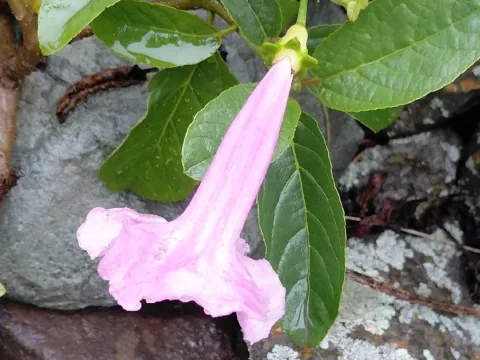
Delostoma
Delostoma
Delostoma is a genus of flowering plants belonging to the Bignoniaceae family. Typically found in tropical regions of South America, these plants are known for their distinct woody stems and attractive floral display, making them prized in specialized ornamental collections.
What the section contains

Delostoma
Propagation is primarily achieved through seeds or semi-hardwood cuttings. Seeds require a consistent temperature of around 22°C and a loose, peat-based medium to ensure proper germination without rotting the embryos.
When propagating via cuttings, it is recommended to use rooting hormones to accelerate root development. Cuttings should be kept in a high-humidity environment, such as a mist chamber, to prevent dehydration before the roots establish.
Transplanting seedlings requires significant care, as the plant's root system is delicate. Once the plants reach a sufficient height, they should be moved to larger pots with adequate drainage to promote steady vegetative growth.
Proper spacing is essential when planting multiple specimens, as air circulation plays a critical role in preventing fungal outbreaks in the dense foliage of the Delostoma shrub.
Delostoma thrives in bright, indirect sunlight. While it appreciates warmth, it should be protected from intense afternoon sun, which can scorch the leaves and significantly reduce the quality of the blossoms.
The ideal soil is a well-draining, nutrient-rich loam with a slightly acidic to neutral pH. Providing organic matter through compost helps maintain the necessary soil structure for healthy root respiration.
Watering frequency should be adjusted according to the season. During the active growing period, the substrate should remain consistently moist but never waterlogged. Winter dormancy requires a drier cycle to prevent root rot.
Temperature management is crucial; the plant is not frost-tolerant and must be moved indoors or kept in a climate-controlled greenhouse if temperatures drop below 10°C, ensuring a stable environment for overwintering.
Regular fertilization with a balanced, water-soluble fertilizer during the spring and summer encourages vigorous growth and prepares the plant for a more prolific flowering season.
The most common disease affecting Delostoma is root rot, which typically stems from poor soil drainage or overwatering. Once established, this pathogen is difficult to treat, often necessitating the removal of the entire plant.
Aphids and whiteflies are the primary insect pests that target the soft, young shoots of the plant. These insects sap the energy from the plant, often leading to stunted growth and the spread of viral secondary infections.
Spider mites are a persistent threat in indoor environments or during dry summers. These pests prefer low-humidity conditions and can quickly defoliate a plant if not controlled with appropriate miticides or increased humidity.
Fungal leaf spot can occur if the foliage is kept wet for too long without adequate airflow. Keeping the leaves dry during irrigation and improving garden ventilation is the best preventative strategy.
Integrated Pest Management (IPM) practices, such as introducing predatory insects or applying neem oil, are recommended for maintaining the health of Delostoma without relying heavily on harsh chemical pesticides.