
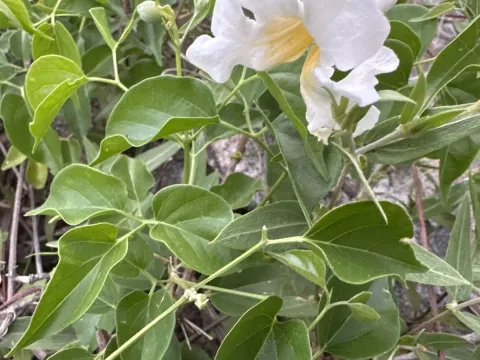
Distictis
Distictis
Distictis is a genus of evergreen woody vines belonging to the Bignoniaceae family. Native to the tropical regions of Mexico and Central America, these plants are highly prized for their vigorous growth and decorative foliage.
What the section contains


Distictis
The plant requires a sunny location with partial shade during the hottest parts of the day. Consistent exposure to light is essential for the plant to produce its characteristic colorful flowers throughout the growing season.
Soil quality is paramount; the substrate must be fertile, well-draining, and rich in organic matter. A sandy-loam mix is considered ideal for maintaining optimal health and root system development.
Distictis utilizes specialized tendrils for climbing, making it an excellent choice for trellis, arbor, and fence covering. Provide sturdy support structures as mature vines can become quite heavy.
Watering requirements are moderate but steady. During the peak summer heat, the soil should remain consistently moist, while in cooler seasons, the frequency of irrigation should be reduced to prevent saturation.
Common pests affecting Distictis include aphids, mealybugs, and spider mites. These pests thrive in dry conditions and can cause significant foliage damage if left uncontrolled.
Fungal diseases, particularly those related to moisture stress, can affect the roots. Proper drainage and aeration of the soil are the primary preventive measures against root rot.
Nutritional deficiencies often manifest as chlorosis on the leaves, which requires the application of balanced chelated micronutrient fertilizers to restore plant vigor.
Mechanical injuries resulting from improper pruning can serve as entry points for pathogens. Always use sterilized tools when removing dead or crossing branches to maintain plant health.
Regular inspection and the application of neem oil or horticultural soaps provide effective control against common insect infestations in greenhouse or garden settings.