
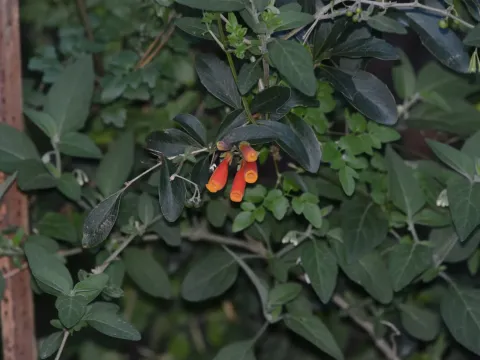
Eccremocarpus
Eccremocarpus
Sowing of Eccremocarpus seeds should be carried out in late winter to early spring to allow sufficient time for the plant to establish its root system.
What the section contains

Eccremocarpus
The seeds are placed in a light, well-draining potting medium, lightly covered, and kept at a temperature of approximately 20°C for optimal germination.
Seedlings typically emerge within two to three weeks, provided that the soil moisture remains consistent and the environment is bright.
Once the risk of frost has passed, the seedlings are hardened off and transplanted into their permanent outdoor locations during the late spring season.
Proper spacing is crucial to prevent seedling competition and to ensure that the vines have enough space to climb and spread effectively.
Eccremocarpus is a member of the Bignoniaceae family, originating from the Andean regions, which dictates its preference for temperate and warm climates.
The plant thrives in sunny locations that are sheltered from harsh winds, allowing its delicate tendrils to attach securely to vertical supports.
Soil requirements focus on high drainage capacity, as the species does not tolerate waterlogging and prefers fertile, slightly acidic to neutral substrates.
Consistent watering during the growing season is essential, although the plants should be allowed to dry slightly between irrigation sessions to ensure health.
Regular fertilization with balanced nutrients supports vigorous growth and the production of the plant's characteristic tubular flowers throughout the summer.
Spider mites are the most prevalent pests in dry conditions, often attacking the underside of the leaves and causing chlorosis or foliage decline.
Fungal diseases such as powdery mildew can become a significant problem in environments with poor air circulation or excessive humidity levels.
Aphids can colonize the soft terminal growth of the vine, weakening the plant and potentially transmitting viruses that stunt overall development.
Root rot is a critical threat typically caused by overwatering or the use of heavy, compacted soil that prevents proper oxygen exchange at the roots.
Management of these threats involves monitoring foliage for early signs of infestation and applying targeted cultural or chemical controls when necessary.