
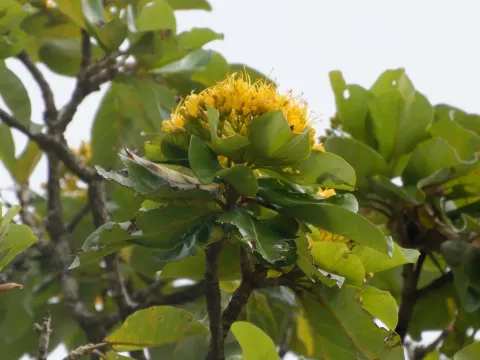
Deplanchea
Deplanchea
Deplanchea is a genus of evergreen trees and shrubs belonging to the Bignoniaceae family. These plants are native to the tropical regions of Australia, New Guinea, New Caledonia, and other Melanesian islands, thriving in lush, high-humidity environments.
What the section contains

Deplanchea
The cultivation of Deplanchea requires a strictly tropical climate with consistent temperatures and high humidity levels. In temperate regions, it is exclusively grown in controlled greenhouse environments, as the plant is highly sensitive to frost and cold drafts.
Ideal soil for Deplanchea is fertile, nutrient-rich, and exhibits excellent drainage properties. Because the root system is sensitive to waterlogging, it is essential to use a porous substrate that prevents the accumulation of stagnant water in the pot or planting hole.
Botanically, the plant is characterized by its large, opposite foliage and vibrant, tubular inflorescences. These flowers are evolutionary adapted for bird pollination, which is a key biological trait of the genus within its natural ecosystem.
Economically, Deplanchea serves primarily as a high-value ornamental plant for tropical landscape design and conservatories. It is also a subject of botanical interest for researchers studying the endemic biodiversity of the Pacific archipelago.
Root rot, often caused by excessive irrigation and poor substrate aeration, represents the most significant threat to Deplanchea. Maintaining a proper balance of soil moisture is vital to ensure the long-term health of these ornamental trees.
Pest pressure from scale insects and mealybugs can cause significant damage in indoor or greenhouse settings. These sap-sucking pests weaken the plant, causing yellowing of the leaves and stunted growth if left unmanaged.
Fungal leaf spot diseases can occur when humidity is too high and air circulation is insufficient. To mitigate this risk, it is important to provide proper spacing and adequate ventilation within the greenhouse to keep the foliage dry.
Abiotic stress factors, such as sudden shifts in light intensity or temperature, often lead to premature leaf abscission. Consistent environmental management is the primary defense strategy for protecting the plant's overall vigor.
Regular monitoring of plant health, including the inspection of stems and the underside of leaves, is necessary to catch potential infestations or disease outbreaks early. Early intervention with biological controls is highly recommended to protect sensitive specimens.