
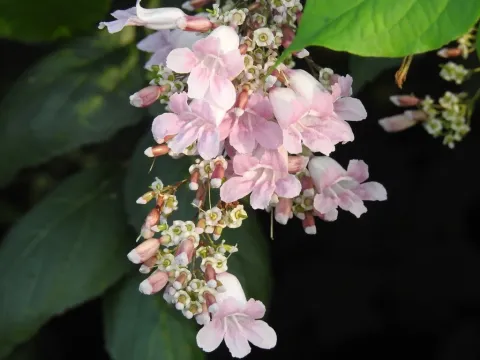
Fridericia
Fridericia
The genus Fridericia belongs to the Bignoniaceae family and comprises a diverse group of woody vines native to the tropical forests of Central and South America. These plants are characterized by their vigorous climbing habit, utilizing tendrils to ascend various structures.
What the section contains


Fridericia
Optimal growth requires high temperatures and consistent humidity levels, making this crop suitable primarily for tropical greenhouse conditions. In temperate regions, it is managed as a delicate indoor or conservatory plant that cannot withstand frost.
The ideal growing medium is a well-draining, nutrient-rich potting mix with a slightly acidic to neutral pH. Proper soil structure is essential to facilitate root aeration and prevent the waterlogging that often leads to plant stress.
Exposure to bright, filtered light is crucial for maintaining foliage health and promoting flowering. Direct, intense sunlight should be minimized to prevent leaf scorch, especially during peak afternoon hours in greenhouse environments.
Agronomic management involves periodic fertilization using balanced NPK formulas to support rapid vertical growth. Pruning is essential to manage the vine's structure and promote denser, healthier foliage development throughout the growing season.
Common pests affecting Fridericia include spider mites and mealybugs, which thrive in conditions of low humidity and stagnant air. Regular monitoring and misting can effectively mitigate the risk of these infestations.
Fungal diseases, such as powdery mildew, often appear when air circulation is inadequate. Implementing systemic fungicides and ensuring optimal spacing between plants are key strategies to maintain a healthy collection.
Root rot remains a significant threat, usually caused by poor drainage or excessive watering cycles. Ensuring the container has adequate drainage holes is the first step in protecting the root system from damage.
Whiteflies can also cause issues in glasshouse cultivation by congregating on the undersides of leaves. Targeted application of biological controls or specialized insecticides is often necessary to manage these outbreaks.
Nutrient deficiencies, specifically nitrogen or iron, can manifest as chlorosis on older or younger leaves respectively. Adjusting the soil pH and applying customized liquid fertilizers helps maintain optimal plant vigor and color.