
Clytostoma
Clytostoma
Clytostoma is a genus of evergreen climbing shrubs belonging to the Bignoniaceae family. Originating from the tropical regions of South America, this plant is primarily valued for its showy, trumpet-shaped flowers that appear in clusters.
What the section contains


Clytostoma
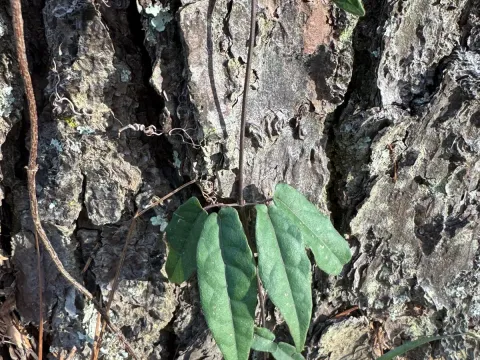
Botanically, the plant is characterized by its woody stems and compound leaves, which are often complemented by tendrils that allow it to climb structures efficiently. It serves as an excellent ornamental specimen for trellises, fences, and pergolas in suitable climates.
Environmental requirements for Clytostoma include high light intensity, although it prefers protection from the harshest direct midday sun in extremely hot regions. It thrives in humid, frost-free environments and is typically treated as a greenhouse or conservatory plant in cooler zones.
The ideal soil for this crop is a well-draining, nutrient-rich potting mix that remains slightly moist but never waterlogged. Regular organic amendments can help maintain the fertility necessary to sustain the rapid growth and flowering cycle of the vine.
Management practices should prioritize consistent irrigation during the growing season and structural support installation. Pruning is also essential to maintain the desired shape and to encourage denser foliage growth after the flowering period ends.
Pest management is critical for indoor or greenhouse cultivation, as spider mites and scale insects frequently infest the foliage. Monitoring the undersides of the leaves and maintaining adequate humidity levels are fundamental preventive measures against these pests.
Root rot and fungal leaf spots are the most common pathological threats, usually induced by poor drainage or excessive stagnant water. Maintaining a strict watering schedule and ensuring good airflow around the plants can significantly reduce the risk of infection.