
Dolichandrone atrovirens
Dolichandrone atrovirens
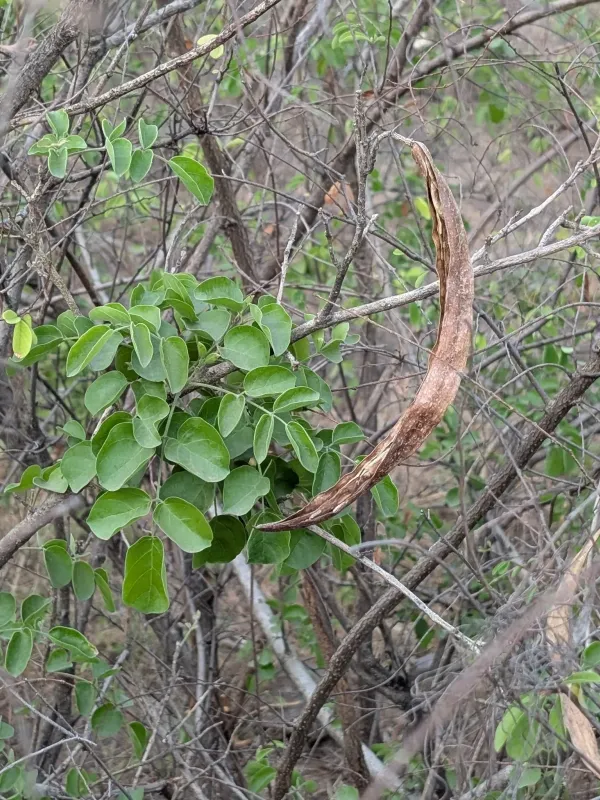
Description
Growing requirements
Dolichandrone atrovirens belongs to the Bignoniaceae family and is native to tropical forests in Southeast Asia. This woody plant species thrives in environments characterized by high humidity and consistent warmth, typical of tropical monsoon regions.
The crop prefers well-drained, fertile soil types, particularly sandy loams that provide excellent aeration for the roots. Soil acidity should be maintained within a neutral range to ensure optimal nutrient uptake and long-term health of the trees.
Climate requirements for this species are strictly tropical, as the plant lacks any tolerance for frost or freezing temperatures. Growth is most efficient in areas where annual temperatures remain between 22°C and 30°C throughout the growing season.
Regarding light, the species is classified as a sun-loving plant that requires full sunlight for vertical growth and proper stem development. Insufficient light levels can lead to poor structural integrity and reduce the overall quality of the harvestable timber.
Water management is crucial during the early stages of establishment. While mature trees develop a degree of drought tolerance through deep root systems, supplemental irrigation is recommended during prolonged dry seasons to prevent stress and stunted development.
Harvesting
The primary economic value of Dolichandrone atrovirens lies in its high-quality timber. The wood is widely utilized in regional construction, utility pole production, and the creation of durable furniture, thanks to its density and natural resistance.
Harvesting is typically conducted based on a rotational cycle, where mature trees are selected for removal while younger specimens are preserved. This approach ensures the sustainability of the timber supply and preserves the underlying ecosystem structure.
Post-harvest processing involves careful seasoning of the wood to control moisture content and prevent checking or warping. Due to its dense structure, the timber requires high-quality cutting tools for secondary processing and milling operations.
Effective plantation management includes regular thinning to reduce competition for light and water. This practice helps maximize the growth rates of individual trees, leading to a higher volume of commercial-grade logs per hectare.
By-products from the harvesting process, such as branches and leaves, are often utilized for soil enrichment. Integrating these materials back into the soil helps maintain nutrient levels, which is essential for consecutive planting rotations.