
Dolichandrone serrulata
Dolichandrone serrulata
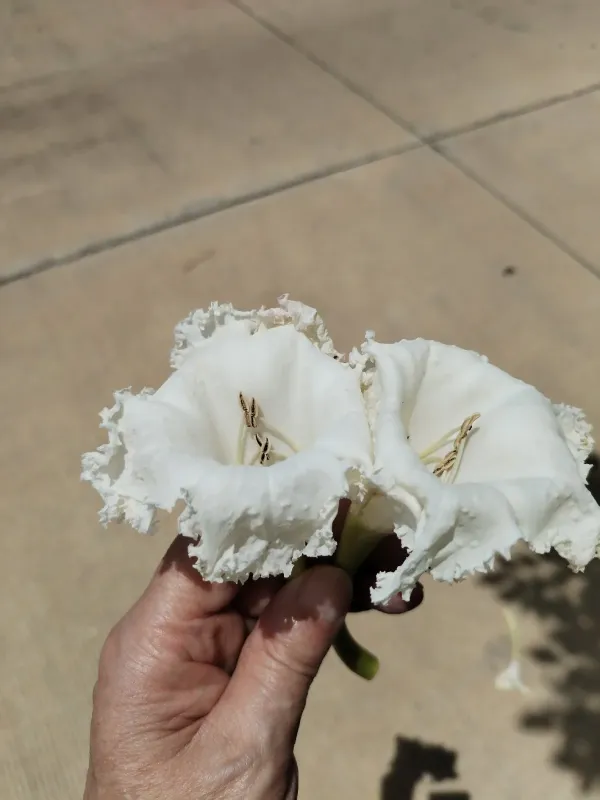
Description
Growing requirements
Dolichandrone serrulata is a deciduous tree belonging to the Bignoniaceae family. Native to the tropical regions of Southeast Asia, including countries like Thailand and Laos, it is a significant species in local agroforestry and traditional food systems.
The plant thrives in well-drained, fertile soils with a neutral pH balance. It demonstrates remarkable adaptability to various soil types, provided that waterlogging is prevented, as the roots are sensitive to anaerobic conditions caused by stagnant water.
Climate requirements for this species are centered around warm, tropical environments. It demands full sun exposure to facilitate photosynthesis and drive the development of its characteristic flowers, which are highly valued for both ornamental and dietary purposes.
Agricultural management includes precise irrigation during the initial stages of establishment. Once matured, the tree exhibits excellent resilience to drought, making it a sustainable choice for cultivation in areas with seasonal climate variations.
Economically, the tree is multi-purpose. Besides its use as timber for light construction and crafts, the flowers and young fruits are harvested for human consumption, often featuring in local traditional recipes and medicinal applications.
Main diseases and pests
Root rot caused by fungal pathogens is the primary threat to the health of the plant, typically triggered by poor drainage or excessive soil moisture. Proper site selection and drainage systems are critical preventative measures for maintaining tree health.
Insect pests, such as leaf-eating beetles and aphids, can cause significant stress to young plants. Regular monitoring of the foliage is necessary to detect infestations early and apply appropriate biological pest control methods without harming the beneficial ecosystem.
Weed management is vital during the juvenile growth phase of the tree. Implementing mulching techniques around the base helps to suppress competing vegetation, maintain soil moisture levels, and provide essential nutrients through organic matter decomposition.
Mechanical damage from severe weather events like heavy storms can affect the structural integrity of the tree. Pruning and the use of supporting stakes for young specimens are recommended practices to ensure the development of a strong, balanced canopy.
Disease management involves a holistic approach, prioritizing preventative care. Maintaining hygiene in the orchard, such as removing fallen leaves and pruning dead branches, significantly reduces the likelihood of pathogen transmission between trees.