
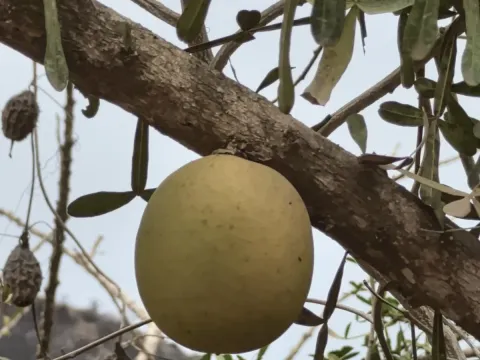
Crescentia alata
Crescentia alata
Propagation of Crescentia alata is primarily achieved through seeds or stem cuttings within controlled nursery environments. Seeds should be sown in a well-draining substrate, maintaining a soil temperature of approximately 25–28 degrees Celsius to ensure optimal germination.
What the section contains
Crescentia alata
Seeds are typically buried at a depth of 1–2 centimeters, requiring consistent moisture and humidity during the initial growth phase. Seedlings usually emerge within 3–4 weeks, necessitating careful monitoring for optimal development before transplanting.
Young plants require a gradual acclimatization process to direct sunlight after the potting stage. Planting in permanent outdoor locations is best conducted at the onset of the rainy season to allow the root system to establish itself effectively before the dry spell.
Proper spacing between trees is crucial for crown development and disease management, with a recommended distance of 5–7 meters apart. This ensures sufficient aeration and light penetration for every tree in the plantation.
Vegetative propagation using semi-hardwood cuttings is preferred for maintaining consistent cultivar traits. Rooting hormones are applied to ensure a higher success rate, allowing farmers to cultivate orchards with uniform growth characteristics.
Crescentia alata, a member of the Bignoniaceae family, is native to the tropical regions of Mexico and Central America. It is a hardy, evergreen species known for its remarkable tolerance to drought, making it suitable for regions with erratic rainfall.
The tree thrives in full sunlight, which is essential for healthy foliage growth and consistent fruit yield. Shaded environments tend to restrict the growth of the canopy and reduce the overall productivity of the tree significantly.
The species is adaptable to various soil types, ranging from sandy loams to heavier clays, provided that drainage is adequate. It prefers neutral to slightly alkaline soil conditions and strictly requires protection from waterlogging to prevent root rot.
Temperature requirements are strictly tropical, with an ideal growth range between 20 and 35 degrees Celsius. The species is highly frost-sensitive, meaning any exposure to freezing temperatures will cause severe damage or death to the plant.
Agrotechnical management includes periodic pruning to shape the canopy and improve air circulation. Organic fertilization during the early growing season is highly recommended to stimulate biomass production and increase the tree's overall vigor.
The primary economic output of the Crescentia alata tree is its large, spherical, woody fruits, commonly referred to as calabashes. While not consumed as food, these fruits serve as vital resources for traditional crafts and household utilities.
Mature trees can produce between 30 and 80 fruits annually, depending on age and site management. Fruit production typically commences 5–6 years after planting, with yields increasing steadily as the tree matures over time.
The hard, durable shell of the fruit is the core commercial asset, used for crafting kitchenware, musical instruments, and artistic decorative items. The internal pulp, while inedible, is sometimes processed for traditional medicinal applications.
The long shelf life of the harvested fruit allows farmers to stockpile inventory effectively. This makes it a reliable low-maintenance crop for small-scale agroforestry systems that support rural craftsmanship and local markets.
Research into the secondary components of the fruit, such as seed oils, continues to emerge, hinting at potential future industrial applications for the species. Currently, the primary focus remains on its utility as a sustainable natural container.
Crescentia alata is generally resilient, but excessive soil moisture remains the most significant threat, leading to root-related fungal diseases. Maintaining strict irrigation control is essential for preventing these systemic issues.
Leaf-eating insects and aphids can occasionally infest young seedlings, damaging foliage and stunting initial growth. Integrated pest management, including regular scouting and targeted insecticide application, is necessary to mitigate these risks.
Humid conditions may trigger anthracnose, manifesting as dark lesions on leaves and young stems. Proper management involves the removal of infected parts and the application of copper-based fungicides to protect the health of the orchard.
Scale insects can occasionally affect the trunk and branches of mature trees, sucking sap and weakening the plant. Proactive monitoring and trunk inspections help identify early infestations before they lead to severe physiological stress.
Maintaining a balanced nutritional profile and good soil structure acts as the best defense against pathogens. A clean, well-managed orchard environment significantly reduces the pressure from pests and diseases throughout the year.
Harvesting is conducted manually once the fruits reach full physiological maturity. Maturity is signaled by the change of the fruit skin color from vibrant green to a dull brown or tan, indicating the shell has hardened.
The fruits are highly durable and do not require immediate post-harvest processing. They can be stored in dry, well-ventilated areas for extended periods, allowing farmers to schedule processing based on market demand.
Primary processing involves clearing the seeds and pulp from the interior of the shell through a small opening. The quality of the final product depends heavily on how thoroughly these organic materials are removed to prevent decay.
Drying the shells in a shaded, ventilated area prevents cracking and ensures the shell retains its strength. Proper drying is completed when the fruit is lightweight and produces a hollow sound upon tapping.
Once dried and cleaned, the shells are ready for sale as craft materials or for household use. This crop provides a stable, long-term return on investment, as the harvested fruits are essentially non-perishable in their dried form.