
Chilopsis
Chilopsis
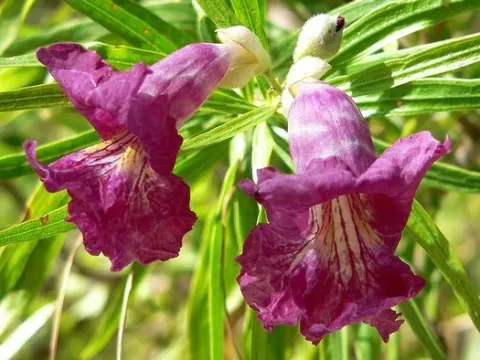
Chilopsis, commonly referred to as the desert willow, is a member of the Bignoniaceae family. Despite its common name, it is not a true willow but a deciduous shrub or tree native to the southwestern United States and Mexico.
What the section contains
Chilopsis
The plant is highly valued for its striking, orchid-like flowers and its remarkable ability to thrive in harsh, arid climates. It typically grows as a multi-trunked tree with slender, lanceolate leaves.
Proper cultivation requires a location with full, direct sun exposure. Lack of sunlight will inhibit the flowering process and may cause the branches to grow in an undesirable, leggy pattern.
Soil requirements are relatively modest; the plant performs best in sandy or gravelly soils with excellent drainage. It is highly sensitive to waterlogged conditions, which can quickly lead to root decay.
Maintenance involves minimal irrigation once the plant is established. It is an excellent choice for xeriscaping, as it maintains its vigor even during prolonged dry spells in the summer months.
Chilopsis is generally robust and free of major pests, provided the environmental conditions match its natural habitat. Most health issues arise from improper soil moisture management.
Powdery mildew can appear if the plant is grown in areas with high humidity or insufficient airflow. Ensuring that the crown of the tree remains open through pruning is essential for disease prevention.
Aphids and spider mites are the most common pests, especially in environments where the tree is stressed by excessive heat or fluctuations in water availability. These pests usually target younger leaves.
Root rot is the most serious threat, usually resulting from over-irrigation or poorly draining soil types like heavy clay. Once the root system is compromised, the tree often cannot recover.
To keep the tree healthy, regular monitoring is advised. Integrated pest management, focusing on biological controls and keeping the tree properly hydrated but not waterlogged, is the best strategy.