
Campsis
Campsis
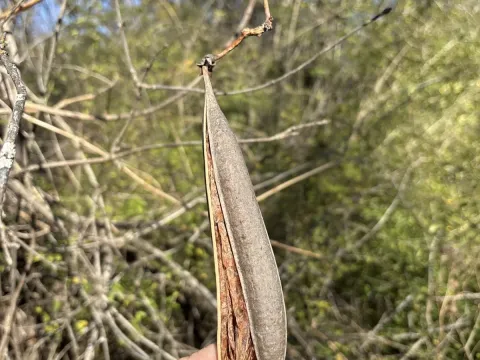
Campsis is a genus of woody, deciduous climbing vines belonging to the Bignoniaceae family. Native to North America and East Asia, these plants are highly valued in landscape architecture for their rapid vertical growth and spectacular trumpet-shaped flowers.
What the section contains

Campsis
The plant utilizes aerial rootlets to cling to surfaces such as masonry, fences, and trellises. Due to its aggressive growth habit, Campsis is widely used for covering large structures and providing dense screening, often reaching significant heights within a few seasons.
Cultivation requires a location with full sun exposure to ensure optimal blooming. While the plant can tolerate partial shade, insufficient light often results in leggy growth and fewer flowers, which significantly reduces its ornamental impact.
The ideal soil for Campsis is rich, well-draining, and slightly moist. It is adaptable to various soil types, but heavy, waterlogged clays should be avoided to prevent root rot. Supplemental watering is beneficial during prolonged dry spells in the growing season.
Regular maintenance involves aggressive pruning to manage the plant's size and stimulate the production of new flowering wood. Without regular thinning, the plant can become overgrown and develop an excessive amount of dead, woody debris.
The most common pest affecting Campsis is aphids, which congregate on succulent new growth and flower buds. Infestations can lead to leaf curling and weakened plant vitality, requiring timely application of horticultural oils or soap sprays.
While generally hardy and disease-resistant, the plant can occasionally suffer from fungal leaf spots if air circulation is poor or if the foliage remains wet for extended periods. Pruning for better airflow is an effective cultural control method.