
Campsidium
Campsidium
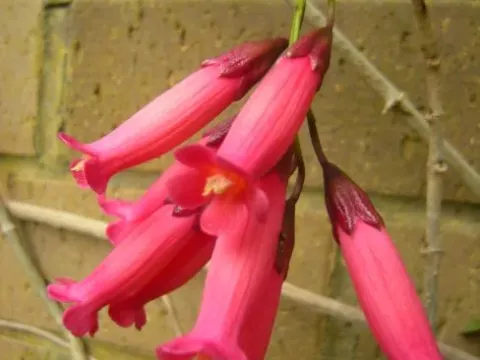
Campsidium is a genus of evergreen climbing vines belonging to the Bignoniaceae family. The only widely recognized species, Campsidium valdivianum, is native to the temperate rainforests of Chile and Argentina.
What the section contains

Campsidium
Botanically, this plant is characterized by its pinnate, glossy leaves and woody stems that allow it to climb effectively on various supports. It is a slow-growing species in its early stages, later developing into a robust ornamental vine.
The plant requires deep, fertile, and well-drained soil to thrive. It thrives in locations with high humidity and partial shade, mirroring its natural forest floor habitat where it receives diffused light.
Campsidium is sensitive to extreme temperatures and prolonged frost, making it suitable for temperate climates or indoor cultivation in containers. Protection against cold winds is essential during the winter season.
Agrotechnical maintenance focuses on consistent soil moisture and the installation of structural supports. Regular pruning helps maintain the desired shape and prevents the vine from becoming overly dense and congested.
Fungal pathogens associated with excessive moisture and poor soil aeration are the primary threats to the plant's health.
Pests such as spider mites and scale insects can infest the plant, particularly when grown in controlled environments with low humidity.
Integrated pest management strategies are recommended, focusing on maintaining proper humidity levels and using mild soap solutions for early infestations.
Preventative care involves ensuring proper spacing between plants to allow for adequate airflow throughout the canopy.
Monitoring the soil drainage system is crucial, as waterlogged conditions quickly lead to root rot, which is often fatal for this species.