
Western woody pear
Xylomelum occidentale
Description
Growing requirements
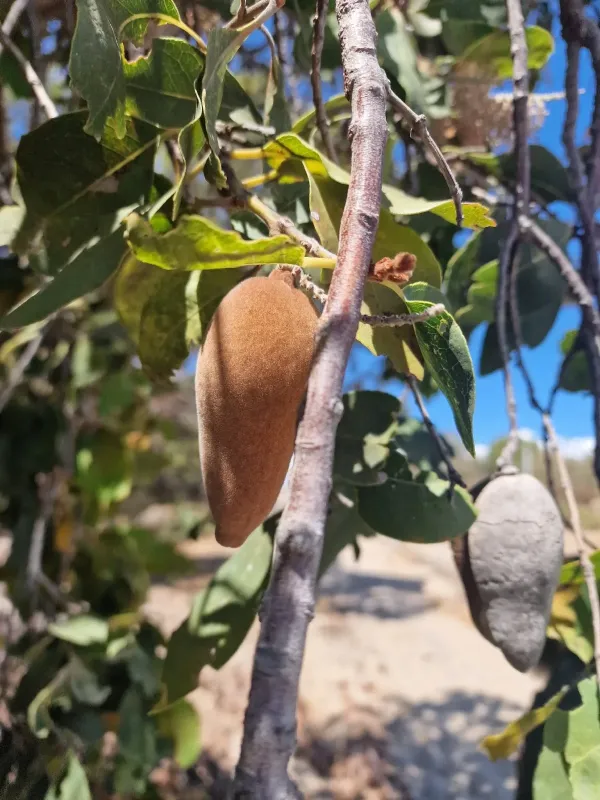
The Western woody pear (Xylomelum occidentale) is a prominent member of the Proteaceae family, native to the southwestern region of Western Australia. It typically grows as a large shrub or a small, hardy tree in scrublands and woodland habitats.
This species thrives in well-drained sandy or lateritic soils. It is highly adapted to nutrient-poor environments where standard agricultural crops would fail, making it a specialist in its natural habitat.
Exposure to full sunlight is critical for the development of its distinctive woody fruits. The plant requires excellent air circulation and is not suited for areas with stagnant moisture, which can lead to severe physiological stress.
Cultivation should mimic its natural environment: open spaces, excellent drainage, and minimal disturbance to the soil profile. It is sensitive to high levels of phosphorus, so specific fertilizer regimes are required.
Its primary value lies in its ornamental use and its role in local biodiversity. The woody, pear-shaped fruits are highly resilient and are often collected for decorative purposes after they fall from the tree.
Main diseases and pests
The most significant threat to Xylomelum occidentale is the soil-borne pathogen Phytophthora cinnamomi. Like many members of the Proteaceae family, it is extremely susceptible to root rot caused by this organism.
Various borers and wood-feeding insects can penetrate the trunk and branches, compromising the structural integrity of the tree and creating entry points for secondary fungal infections.
Inappropriate soil management, specifically the application of high-phosphorus fertilizers, can be fatal to the root system, leading to rapid decline and chlorosis of the foliage.
Environmental stressors, such as changes in natural fire regimes, can affect the recruitment of new seedlings, as the plant relies on specific thermal triggers to release its seeds from the woody capsules.
Good horticultural practice involves maintaining strict quarantine measures for any incoming planting material to prevent the introduction of pathogens into the local soil environment.