
Xylomelum pyriforme
Xylomelum pyriforme
Description
Sowing dates
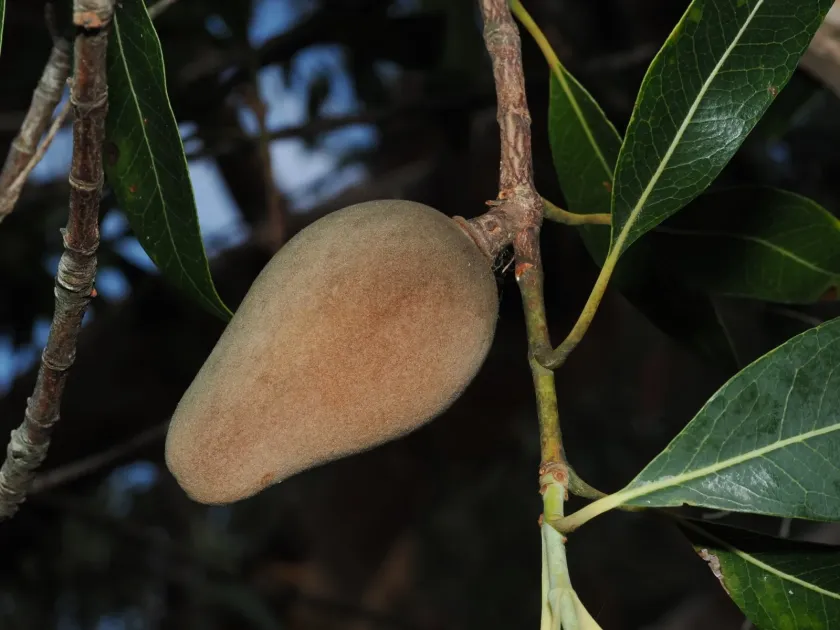
Xylomelum pyriforme is primarily propagated through seeds collected from its distinctive pear-shaped woody follicles that ripen on the mature tree branches.
The seeds possess a natural dormancy mechanism that usually requires heat treatment, simulating the conditions of a bushfire, to successfully break the seed coat.
In nursery settings, careful scarification or controlled heat application is utilized to trigger germination, followed by sowing in a porous, low-nutrient sandy medium.
Seedlings are notoriously sensitive to root disturbance, so they should be grown in individual biodegradable pots to minimize stress during the transplanting process.
Spring is considered the ideal time for sowing, as the warmer soil temperatures facilitate faster development of the primary root system and shoot emergence.
Growing requirements
As a native of Australia, this species thrives in climates where frost is absent, requiring full sun exposure to maintain its healthy growth and leaf density.
The soil must be well-drained and acidic to neutral, as the plant belongs to the Proteaceae family and is highly adapted to nutrient-poor, sandy landscapes.
Phosphorus sensitivity is a defining characteristic of this plant; therefore, it is critical to avoid standard fertilizers that contain even moderate amounts of this nutrient.
While the tree shows significant tolerance to drought once established, regular irrigation during its early growth stages is essential for optimal development.
Adequate air circulation is necessary for the plant to prevent the buildup of humidity, which can lead to fungal infections in the foliage and stems.
Yield
Xylomelum pyriforme is not a traditional agricultural crop, and therefore yield is not measured in terms of food production or biomass output for industrial processing.
The woody follicles are the primary product of interest, highly sought after by floral artists and designers for creating long-lasting, rustic interior arrangements.
The timber, though rarely harvested due to the plant's rarity, is noted for its hardness and unique grain structure, occasionally appearing in artisanal woodworking projects.
The ornamental value of the tree, with its leathery, serrated leaves and striking fruit, makes it a premium asset in botanical collections and Mediterranean-style gardens.
Commercial potential for this plant is currently limited to the niche ornamental sector, focusing on its appeal to collectors of rare Australian flora and exotic wood species.
Main diseases and pests
Phytophthora root rot is a major threat to this species, especially in environments where drainage is compromised or the soil remains persistently damp for too long.
Wood-boring insects represent a significant biological challenge, as larvae can tunnel into the trunk, potentially weakening the structural integrity of the mature tree.
Powdery mildew can affect the foliage if the plant is kept in a stagnant, humid environment, necessitating the use of targeted fungicides to protect the leaf surfaces.
Chemical stress caused by over-fertilization often manifests as severe leaf yellowing, which significantly impairs the tree's health and aesthetic appeal in landscapes.
Effective management involves maintaining high levels of hygiene in the nursery and monitoring the bark for early signs of insect activity to ensure long-term survival.