
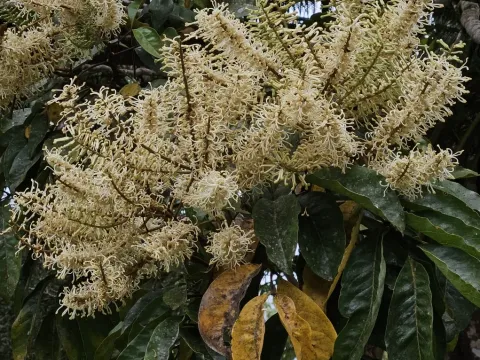
Cardwellia
Cardwellia
Cardwellia, known botanically as Cardwellia sublimis, is a majestic tree belonging to the Proteaceae family. Native to the rainforests of Queensland, Australia, it is famously referred to as the Northern Silky Oak due to the appearance of its valuable timber.
What the section contains

Cardwellia
The tree thrives in tropical environments characterized by high humidity and consistent temperatures. It is best suited for cultivation in regions that mimic its natural habitat, requiring deep, well-draining, and nutrient-rich soils to reach its maximum height and timber quality.
Environmental requirements include protection from severe frost, as Cardwellia is highly sensitive to cold temperatures. Adequate light is crucial, though young saplings benefit from partial shade during their establishment phase, moving to full sunlight as they mature.
Agrotechnical management involves maintaining optimal soil aeration and moisture balance. Because the species is a member of the Proteaceae family, fertilizers must be low in phosphorus, as high levels can be toxic to the plant's sensitive root system.
The timber produced by Cardwellia is highly sought after in the furniture industry for its durability and aesthetic wood grain. Beyond its economic value, the tree serves as an important ornamental species, noted for its large, showy, white flower spikes that appear in clusters.
The primary health threats to Cardwellia include fungal pathogens that target the root system, particularly in poorly drained soils. Phytophthora species and other soil-borne fungi can cause root rot, which leads to rapid decline if environmental conditions are not corrected.
Insect pests such as leaf-eating beetles and various lepidopteran larvae can pose a risk to young trees. In nursery conditions, these pests can cause significant defoliation, affecting the vigor and height of the growing stock.
Wood-boring insects represent a threat to older trees, as they penetrate the bark and inner wood layers. Such infestations can diminish the timber quality, making early detection and appropriate management essential for forestry operations.
Climate-related stress, such as prolonged drought or extreme saturation, renders the tree more susceptible to secondary infections. Maintaining the health of the tree through balanced irrigation is the best preventative strategy against biological threats.
Sanitation practices are critical in plantations to prevent the spread of diseases. Removing and destroying infected branches or fallen debris helps to lower the inoculum levels of harmful fungi in the surrounding environment of the tree stand.