
Northern silky oak
Cardwellia sublimis
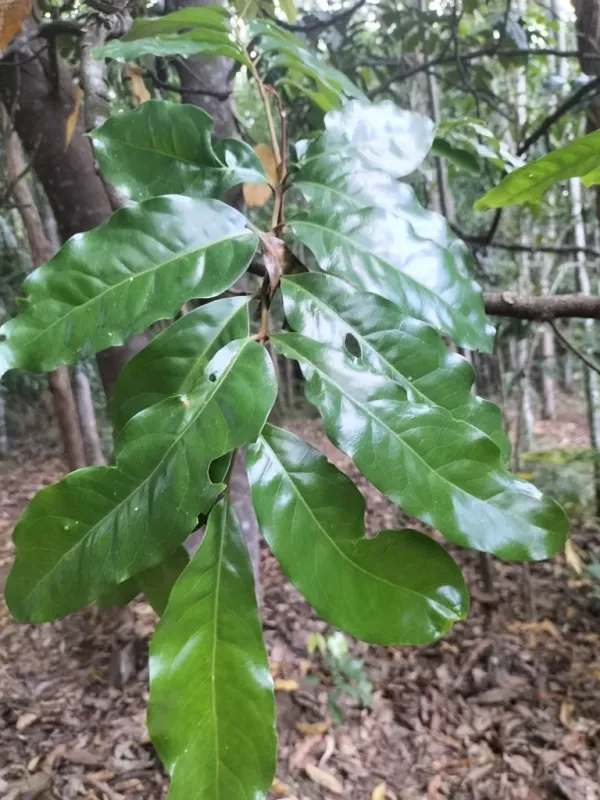
Description
Growing requirements
The Northern silky oak (Cardwellia sublimis) is a significant evergreen tree species belonging to the Proteaceae family. Native to the tropical rainforests of Queensland, Australia, it is renowned for both its ornamental beauty and the commercial value of its wood.
This species thrives in high-rainfall tropical environments. It requires deep, well-drained soils rich in organic matter to support its substantial growth, as it is particularly sensitive to waterlogged conditions that can cause root decay.
The climate requirements include consistent tropical temperatures, as the species is highly susceptible to frost. It grows best in regions where high humidity is maintained, allowing the tree to flourish throughout the year without seasonal dormancy constraints.
Silvicultural management requires careful shading for young seedlings. As the trees reach maturity, they prefer full sun exposure to facilitate rapid height increase and the development of high-density trunk wood.
Biologically, the tree is characterized by its pinnate leaves and large, showy inflorescences that attract native pollinators. Proper soil management and the maintenance of a healthy microbial environment are essential for optimal timber yields in plantations.
Harvesting
The primary economic focus for Cardwellia sublimis is the harvesting of its high-quality timber. The wood is widely celebrated for its attractive, distinct grain patterns, resembling those of classic oak but with a unique tropical texture.
Harvesting is typically conducted through selective logging of mature specimens that have achieved the necessary girth for premium timber production. Sustainable forest management practices are crucial to ensure the long-term viability of the population.
Once harvested, the logs undergo a rigorous drying process. Controlled seasoning is vital to ensure the wood remains stable, minimizing the risks of warping or splitting when used in high-end joinery and cabinet making.
The finished timber is highly sought after for fine furniture, decorative veneers, and internal architectural panels. Its ease of machining makes it a favorite among woodworkers who prioritize both aesthetic appeal and workability.
Future prospects for this culture include its inclusion in agroforestry schemes. By integrating Cardwellia sublimis into managed landscapes, producers can balance commercial demand with environmental stewardship in tropical regions.