
Burdett's banksia
Banksia burdettii
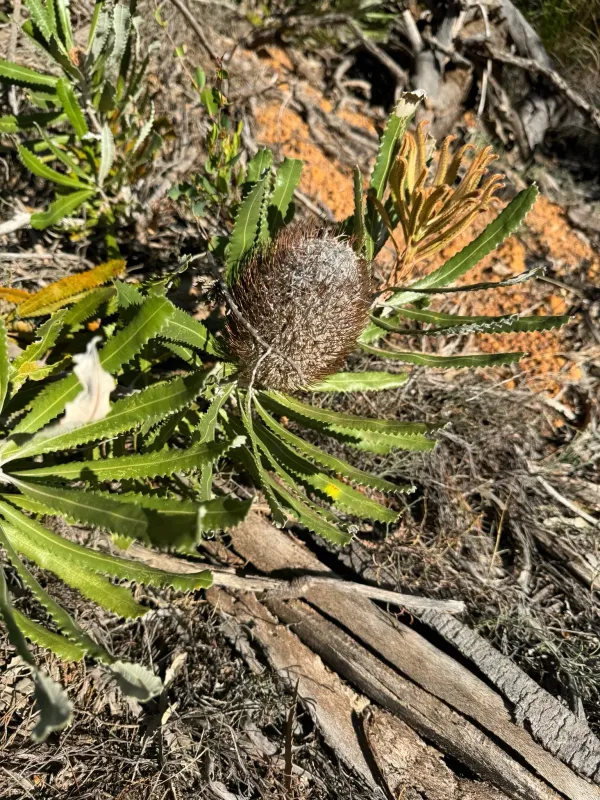
Description
Growing requirements
Burdett's banksia (Banksia burdettii) is an iconic shrub belonging to the Proteaceae family, native to the sandy landscapes of Western Australia.
The plant thrives in Mediterranean-type climates, characterized by hot, dry summers and cool, wet winters, which is essential for its natural growth cycle.
Soil requirements are strict: the substrate must be extremely well-draining, sandy, and low in organic matter. Waterlogging is the primary cause of failure in cultivation.
Full solar exposure is required for healthy plant development and optimal flowering. It cannot compete with aggressive weeds or fast-growing species in garden settings.
Regarding fertilization, growers must avoid high-phosphorus fertilizers, as the Proteoid roots of Banksia burdettii are highly specialized and sensitive to nutrient overload.
Main diseases and pests
The most significant threat to the survival of this species in agricultural settings is Phytophthora cinnamomi, a soil-borne pathogen that causes sudden root collapse.
Various insect pests, including nectar-feeding beetles and moth larvae, can damage the developing flower spikes, rendering the product unsalable for the premium market.
Nutrient deficiency, specifically micro-nutrient chlorosis, is common if the soil pH deviates from the optimal acidic to neutral range, hindering iron uptake.
Effective management relies on strict biosecurity measures, including the use of certified disease-free seedlings and avoiding the introduction of contaminated soil.
Regular field scouting is essential to identify early signs of fungal infection, as infected plants should be promptly isolated and removed to prevent spread.
Harvesting
The primary commercial use of Banksia burdettii is as a high-quality cut flower, highly valued in international floral design for its unique texture and color.
Harvesting involves selecting spikes with approximately 50-70% of the florets open. This stage ensures the best vase life and aesthetic appeal for wholesalers.
Using sterile, sharp secateurs is necessary to ensure clean cuts and prevent structural damage to the mother plant during the harvesting process.
Post-harvest handling requires immediate hydration. Stems are often processed by removing lower foliage and keeping the base in clean, fresh water to prevent decay.
Systematic harvesting serves as a rejuvenation process. Pruning spent flowers back to a healthy node encourages vegetative growth and ensures better production in subsequent years.