
Ardisia crenata
Ardisia crenata Sims
Description
Sowing dates
Propagation of Ardisia crenata is primarily conducted through seeds or terminal cuttings, which requires specific attention to humidity and thermal stability.
Seeds should be sown in late winter using a light, well-draining peat-based substrate to ensure optimal root development and seedling health.
Maintaining a consistent temperature between 22 and 25 degrees Celsius is essential for effective germination, which can take several weeks to complete.
Seedlings must be handled with care during the transplanting phase to avoid damaging the delicate root system that is vital for the plant's future growth.
Using rooting hormones during the cutting process significantly increases the success rate of propagation during the active growth phase in summer months.
Growing requirements
Ardisia crenata is a member of the Primulaceae family, naturally occurring in the tropical and subtropical forests of Southeast Asia and parts of Japan.
The plant thrives in bright, indirect light conditions, as direct exposure to harsh afternoon sun can lead to leaf scorching and overall vitality decline.
High humidity levels are preferred, making regular misting or the use of humidity trays a standard agronomic requirement for indoor cultivation environments.
Soil requirements include a rich, acidic to neutral growing medium with excellent drainage capabilities to prevent moisture saturation in the root zone.
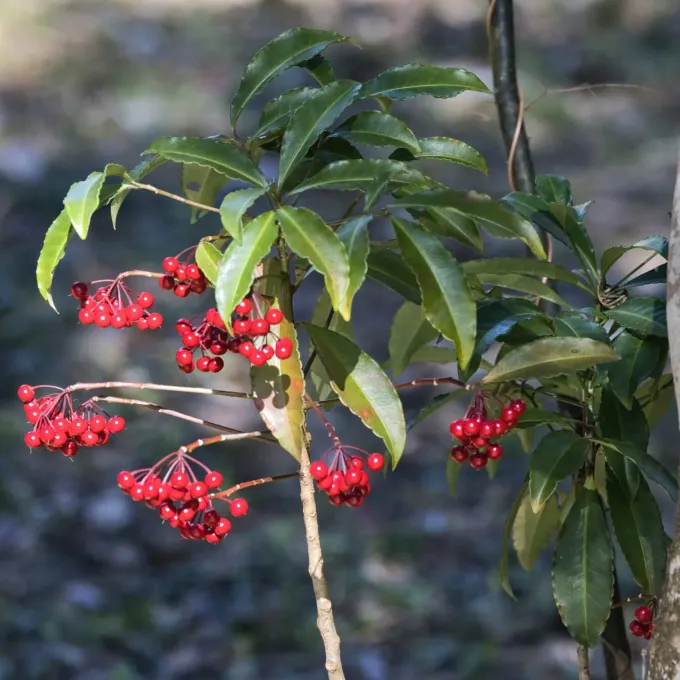
The plant prefers cooler temperatures during its dormant winter season, which is crucial for encouraging the development of its iconic red berries.
Main diseases and pests
Common pests affecting Ardisia crenata include scale insects and mealybugs, which tend to congregate in the axils of the leaves, weakening the plant.
Root rot caused by overwatering is a significant threat, often leading to rapid yellowing of foliage and eventual plant death if not treated immediately.
Fungal leaf spot diseases may appear if the foliage remains wet for extended periods, necessitating better airflow and stricter moisture control protocols.
Black sooty mold often develops as a secondary issue following pest infestations, requiring both pest management and physical cleaning of the leaves.
Effective management includes regular inspection and the judicious use of systemic pesticides to keep the ornamental value of the plant intact.