
Ardisia pusilla
Ardisia pusilla A. DC.
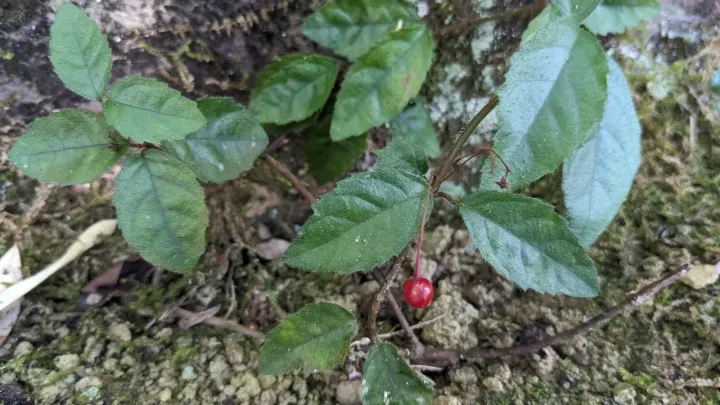
Description
Growing requirements
Ardisia pusilla is a rare perennial species belonging to the Primulaceae family. Native to the forest floors of East Asia, it has evolved to thrive in low-light, high-humidity environments, making it a specialized crop for controlled conditions.
The agronomic requirements for this species include a highly permeable, acidic substrate rich in organic matter. Proper soil structure is essential, as the roots are extremely sensitive to hypoxia and waterlogging, which often leads to rapid decay.
Temperature management is critical for the success of Ardisia pusilla. It performs best in a stable environment between 18°C and 24°C. Exposure to sudden temperature drops or dry drafts can cause immediate physiological stress and leaf drop.
Humidity levels should ideally be maintained above 60-70%. In commercial or private indoor settings, this is typically achieved through specialized misting systems or by placing the pots in terrariums where microclimatic stability is guaranteed.
This plant is primarily utilized in ornamental horticulture and high-end terrarium design. Its slow growth rate and compact, lush appearance make it a sought-after item for professional plant collectors and interior landscaping projects.
Main diseases and pests
Typical pests affecting Ardisia pusilla include mealybugs, scale insects, and spider mites. These pests tend to colonize the undersides of leaves and leaf axils, benefiting from the stagnant air often found in non-ventilated indoor spaces.
Fungal pathogens, particularly those causing crown and root rot, represent the most significant threat to plant health. These are frequently triggered by over-watering or the use of heavy, non-aerated potting media.
Integrated Pest Management (IPM) is the recommended approach. This involves periodic visual inspections, manual removal of pests, and the targeted use of systemic insecticides or biological control agents when necessary.
Nutritional disorders may manifest as leaf chlorosis if the soil pH deviates from the optimal range. Regular soil testing and the use of balanced, micronutrient-rich fertilizers are essential to maintain the plant's vibrant green foliage.
Sanitation practices, such as removing fallen leaves and ensuring consistent airflow, are the best preventative measures against disease. Healthy, well-nourished plants show higher natural resistance to both pest colonization and pathogen attack.