
Japanese ardisia
Ardisia japonica (Thunb.) Blume
Description
Growing requirements
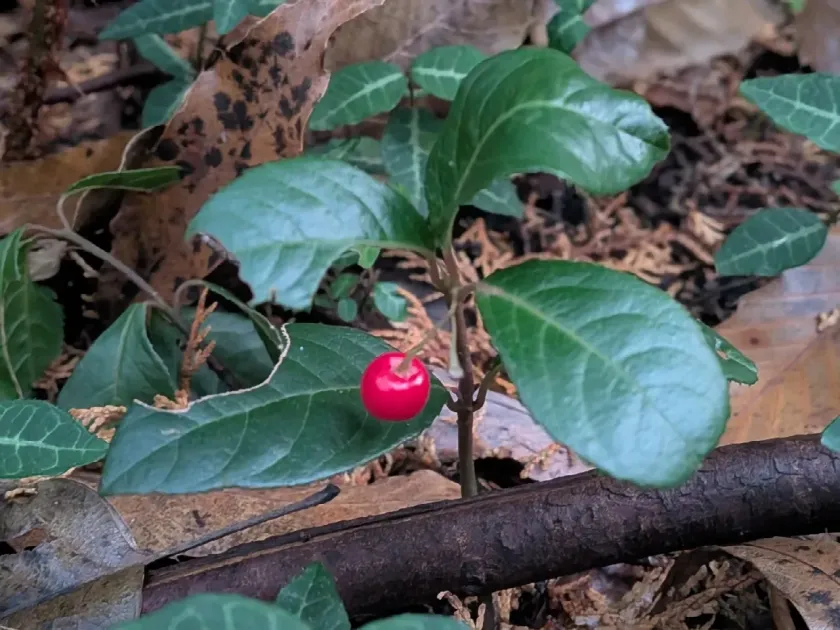
Japanese ardisia (Ardisia japonica) is a low-growing, evergreen subshrub that belongs to the Primulaceae family. It is native to Eastern Asia, primarily found in the temperate forest understories of Japan, China, and Korea.
This plant thrives in fertile, well-draining, and acidic soil conditions. When cultivating in containers, it is essential to use a potting mix enriched with organic matter, such as peat moss or decomposed leaf compost, to mimic its natural environment.
Regarding light requirements, the culture prefers filtered or dappled sunlight. Direct midday exposure can scorch the glossy leaves, while insufficient light levels often lead to sparse foliage and poor development of the characteristic red berries.
Temperature management is vital, as the plant prefers cool to moderate environments. While it can withstand mild fluctuations, it is sensitive to extreme heat and prolonged frost, requiring stable conditions for optimal physiological activity.
Moisture control is a fundamental aspect of its maintenance. The soil must remain consistently damp, but never waterlogged. High humidity levels are beneficial for the plant, often achieved through misting or using tray-based humidification systems.
Main diseases and pests
Common pests affecting Japanese ardisia include scale insects and mealybugs. These sucking pests can be controlled through manual removal using cotton swabs dipped in alcohol or by applying horticultural oil treatments.
Root rot is a prevalent disease caused by overwatering or poor drainage. To prevent this, agronomists recommend ensuring the soil is light and porous, allowing air circulation around the root zone.
Fungal leaf spot diseases occur under high humidity coupled with poor ventilation. To mitigate this risk, it is necessary to prune dense growth to improve airflow and apply preventative fungicides if symptoms appear.
Chlorosis, indicated by yellowing leaves with green veins, typically points to nutrient imbalances, such as iron deficiency. This can be effectively treated by applying iron chelate fertilizers tailored for acid-loving plants.
Monitoring for spider mites is crucial during the drier months. Keeping the foliage clean by wiping it with a damp cloth helps in both pest control and maintaining the plant's overall aesthetic and health.