
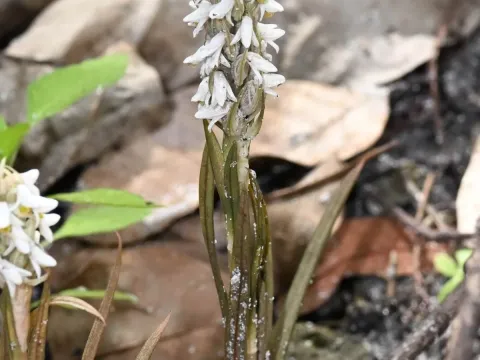
Zeuxine
Zeuxine
Zeuxine is a genus of terrestrial herbaceous plants belonging to the Orchidaceae family. These plants are not classified as traditional agricultural crops, but they are highly valued in the world of botany and specialized orchid cultivation for their unique growth habits.
What the section contains


Zeuxine
Originating from the tropical and subtropical regions of Asia, Africa, and Australia, these orchids thrive in humid forest environments. They are typically found in shaded habitats such as forest floors, stream banks, and damp grasslands where moisture is consistently available.
The climate requirements for Zeuxine involve high humidity and moderate temperatures. They are strictly shade-loving plants, meaning they must be kept away from direct sun exposure, which can scorch their delicate foliage or cause rapid dehydration.
Growing media for Zeuxine should mimic the forest floor composition. A loose, well-draining mixture consisting of peat, chopped sphagnum moss, and orchid bark is recommended. Good aeration is essential to prevent the roots from suffocating in overly compacted soil.
In terms of хозяйственное (economic) utility, Zeuxine species are primarily ornamental. Some species have been explored in traditional medicine for their potential pharmacological properties, but they remain niche plants rather than commercial agricultural products.
The most significant threat to Zeuxine is fungal infection, particularly root rot, which occurs when growing media remains waterlogged. Proper drainage is the most effective way to prevent these pathogens from establishing in the root zone.
Pests such as spider mites and mealybugs can pose a threat, especially in indoor greenhouse settings. These insects can quickly overwhelm the plant, sucking sap and weakening the structure, leading to reduced vitality and vulnerability to secondary infections.
Chemical control is generally risky due to the sensitivity of orchids to various pesticides. It is better to rely on manual removal of pests and environmental control, such as adjusting humidity and airflow to discourage insect colonization.
Viral infections, such as those causing leaf mosaic or chlorosis, are persistent dangers. Because there is no known cure for these viruses, prevention through sanitary practices, such as disinfecting tools between handling plants, is critical.
Maintenance of optimal health requires consistent monitoring. Regular inspection of the undersides of leaves and the base of the stems helps in early detection of potential threats, allowing for swift intervention before damage becomes irreparable.