
Zeuxine fritzii
Zeuxine fritzii
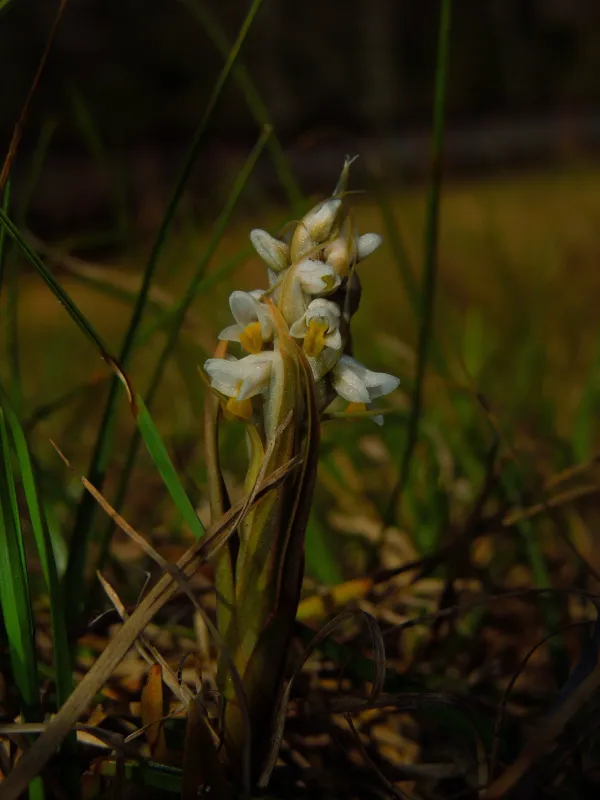
Description
Growing requirements
Zeuxine fritzii is a rare terrestrial orchid species belonging to the Orchidaceae family. It is not classified as an agricultural crop but rather as a sensitive botanical species found in specific forest habitats.
The plant requires high humidity and shaded conditions typical of forest floors in its native tropical or subtropical range. It thrives in soils rich in organic matter and beneficial micro-fungi.
Its biological success depends heavily on mycorrhizal associations. These soil fungi are essential for the germination of seeds and the overall nutrient uptake of the orchid throughout its life cycle.
Due to its highly specialized niche, this plant has no commercial agricultural use. It is primarily studied by botanists to understand the preservation of endangered orchids and the dynamics of forest understory ecosystems.
Cultivation of this species is limited to research and private botanical collections. It requires very precise climate control, mirroring its natural environment to survive outside of the wild.
Main diseases and pests
The survival of Zeuxine fritzii is primarily threatened by habitat destruction. Deforestation and land-use changes significantly reduce the areas where these orchids can exist.
The species is susceptible to various fungal pathogens, especially if the delicate balance of humidity and temperature is disrupted in its natural environment.
Insects and certain types of pests can pose a threat, particularly to younger plants. Their small population size makes them highly vulnerable to sudden outbreaks of pests or diseases.
Climate change poses a long-term threat by altering the delicate forest floor moisture levels that the plant depends on for metabolic processes and reproduction.
Human activities, including habitat disturbance and illegal harvesting, are significant drivers of population decline. Effective conservation strategies are essential to prevent the extinction of this rare species.