
Yatabe's Lady Slipper
Cypripedium yatabeanum
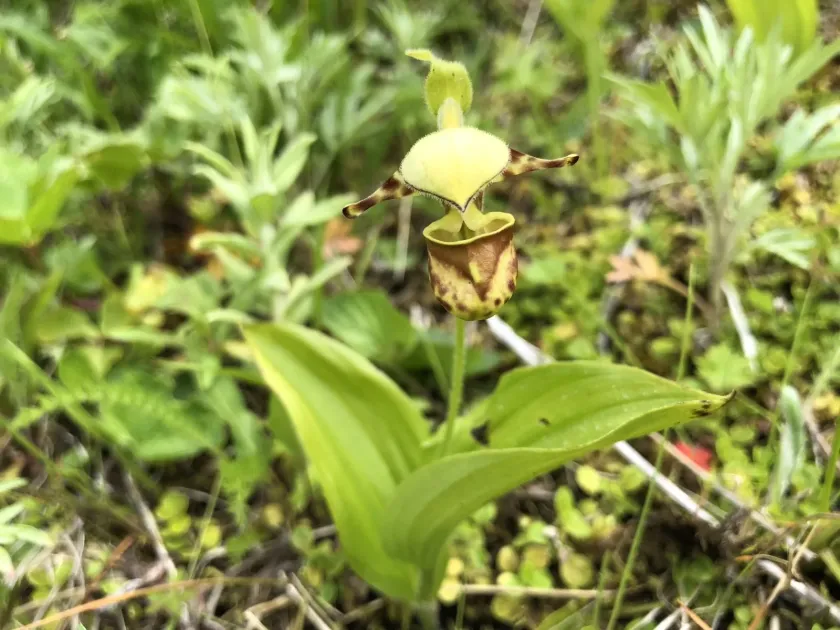
Description
Sowing dates
The propagation of Cypripedium yatabeanum in an agricultural or horticultural setting is primarily achieved through the careful division of the rhizome during the dormant season.
The ideal window for dividing these orchids occurs either in early spring, before the emergence of new shoots, or in late summer after the foliage begins to decline.
Because the seeds of this species are minute and lack endosperm, they cannot be grown using traditional sowing methods and require symbiotic fungi or in vitro laboratory conditions.
When dividing, one must ensure each segment contains at least one healthy growth bud and a substantial amount of viable root system to support future development.
Proper spacing is crucial to allow the plant to expand, typically requiring about 30 centimeters between specimens to ensure adequate airflow and root health.
Growing requirements
Yatabe's Lady Slipper belongs to the Orchidaceae family and is recognized for its preference for cool, temperate climates and shaded forest habitats.
The cultivation site must provide filtered sunlight or dappled shade, as the plant is highly susceptible to heat stress and foliage scorching under direct solar radiation.
A well-draining, moisture-retentive substrate rich in organic matter, such as leaf mold and composted conifer bark, is essential for its long-term survival.
The plant requires consistent moisture levels in the root zone, but it is imperative to avoid waterlogging, which often results in the rapid decay of the fleshy rhizome.
Maintenance of an appropriate soil pH, typically ranging from neutral to slightly alkaline, is often necessary to facilitate the symbiotic relationships with mycorrhizal fungi.
Main diseases and pests
The most significant threat to the health of the plant is root rot, which typically develops due to poor soil drainage or excessive irrigation during cool weather.
Gastropods, including slugs and snails, are frequent pests that can consume fresh foliage and flowers, necessitating the use of physical barriers or organic baits.
Fungal leaf spots can become problematic in high-humidity environments, requiring careful monitoring and the application of fungicides when conditions are favorable for disease.
Small insects like aphids can cluster on developing buds and require immediate attention with gentle insecticidal soap or biological control agents.
- Regular site inspection for pest damage.
- Strict management of irrigation levels.
- Use of coarse inorganic matter for drainage improvement.