
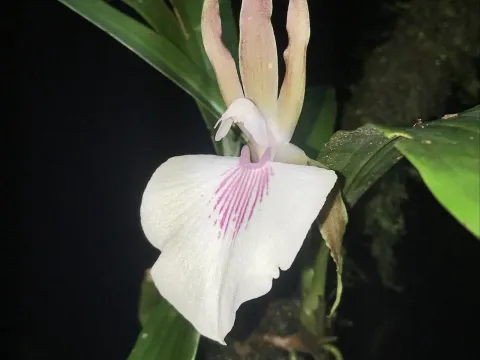
Zygosepalum
Zygosepalum
Zygosepalum is a genus of epiphytic orchids belonging to the Orchidaceae family. In their natural habitat, these plants are native to the tropical rainforests of South America, including Brazil, Peru, and Colombia, where they primarily grow on tree trunks.
What the section contains

Zygosepalum
For successful cultivation of this crop, filtered light is required, avoiding direct sunlight which can cause leaf scorch. The optimal temperature range is between 18 and 24 degrees Celsius, with significant day-to-night temperature fluctuations being essential for blooming induction.
This crop is highly demanding regarding humidity, which should be maintained at 60–70%. To achieve these conditions in greenhouses or indoor setups, humidifiers and regular misting are employed, while ensuring no water accumulates in the plant's growth points.
The growing medium must provide excellent drainage and aeration for the root system. Typically, a mix of pine bark, charcoal, and sphagnum moss is used, which retains moisture without causing waterlogging, a condition critical for the plant's long-term health.
The economic value of Zygosepalum lies in its high ornamental appeal, making it a prized specimen for collectors of exotic plants. As a niche agricultural and horticultural crop, it requires specialized knowledge and meticulous agronomic practices for growth.
The main threats to this crop include fungal infections, which often arise from improper watering regimens and poor airflow. Root rot can progress rapidly, necessitating strict sanitation of gardening tools and the use of high-quality, sterile substrates to maintain plant health.
Common pests include spider mites and scale insects, which proliferate quickly in low-humidity environments. Regular inspection of the foliage and the application of appropriate miticides or insecticides are necessary to manage infestations and prevent significant damage to the plants.