
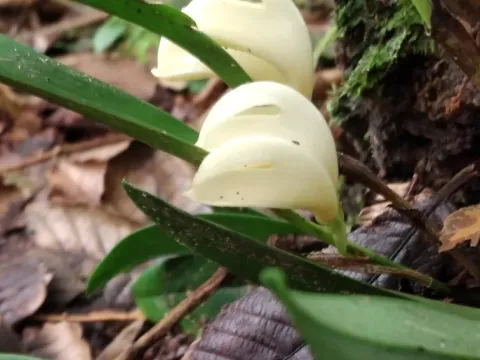
Zootrophion
Zootrophion
Zootrophion is a genus of epiphytic plants belonging to the Orchidaceae family. This unique botanical crop is highly valued by collectors for its extraordinary morphology and specific pollination strategies evolved over millennia.
What the section contains

Zootrophion
In their natural habitat, these orchids are found in the tropical forests of Central and South America, preferring humid mountainous regions. The plants are adapted to thrive in high humidity and diffused sunlight conditions typical of the lower forest canopy layers.
The botanical highlight of this genus is the complex structure of the flower, where petals often fuse to form a cage-like structure with narrow openings. This evolutionary adaptation is designed to attract specific pollinating insects that must navigate inside to reach the nectaries.
Cultivation requires strict microclimate management: maintaining temperatures between 18–24 degrees Celsius and relative humidity levels of at least 70–80%. The plants do not tolerate waterlogging in the root zone, necessitating excellent drainage and the use of substrates based on conifer bark.
The agricultural application of Zootrophion is limited exclusively to ornamental gardening and specialized botanical conservatories. Due to the difficulty of propagation and rigorous environmental needs, it is not a mass-market crop but remains a prime subject for private collections.
The primary pests encountered during indoor or greenhouse cultivation are spider mites and mealybugs. These insects propagate rapidly when humidity regimes are ignored or when there is insufficient air circulation within the growing facility.
Among fungal diseases, the most dangerous are root and stem rots, which typically arise from substrate overwatering or the use of contaminated tools during division. Regular prophylactic treatment with broad-spectrum fungicides is recommended.
An essential protection aspect is the implementation of quarantine protocols for all new specimens, as orchid species are highly susceptible to viral infections. Upon detection of chlorosis or necrotic spotting on leaves, the affected plant must be isolated immediately.
Preventative measures include maintaining strict hygiene in the cultivation zone, pruning dead plant tissues, and monitoring substrate condition. Utilizing irrigation systems with high-quality water minimizes salt accumulation, which can cause severe stress to the sensitive root systems.
In the event of pest infestation, the preference is to use biological control methods or mild insecticides, as orchid tissues are highly sensitive to aggressive chemical agents, which can lead to rapid phytotoxicity.