
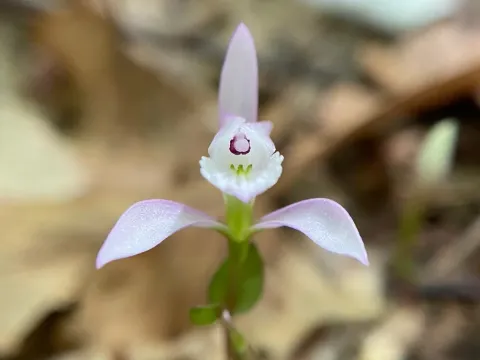
Triphora
Triphora
Triphora is a genus of small perennial plants belonging to the Orchidaceae family. These plants are recognized for their myco-heterotrophic nature, meaning they rely on a complex symbiotic relationship with underground fungi to sustain their metabolism.
What the section contains


Triphora
Native primarily to North and Central America, Triphora species inhabit deep, shady forest environments. They require moist, nutrient-rich soil covered by a thick layer of leaf litter, which maintains the microclimate necessary for their growth.
The morphological features of the genus include delicate, fragile stems, scattered leaves, and blossoms that are notoriously short-lived. The plant relies on small tubers as storage organs for energy accumulated through its fungal partners.
It is important to note that Triphora is not a crop in the agricultural sense. It holds no value for commercial farming and is strictly treated as an object of botanical interest and conservation efforts within protected forest habitats.
Attempting to cultivate Triphora outside of its native ecosystem is extremely difficult. The primary requirement is the maintenance of a pristine soil biome that allows the specific mycorrhizal associations to thrive, which is nearly impossible to replicate in standard nursery conditions.
The primary threat to Triphora is habitat loss caused by deforestation and the conversion of forest land into agricultural or urban areas, which destroys the delicate forest floor ecosystem.
Soil compaction is a major risk factor. Even minor human traffic in areas where these plants grow can damage the underground tubers and disrupt the fungal networks they depend upon.
Gastropods, such as slugs and snails, are significant pests that often consume the plant's succulent stems and developing buds before they have a chance to bloom.
Climate change, specifically altered rainfall patterns and increasing temperatures, threatens the stability of the moist, cool forest environment required by the species.
Invasive plant species can quickly overwhelm Triphora populations by changing the light levels on the forest floor and competing for limited soil resources.