
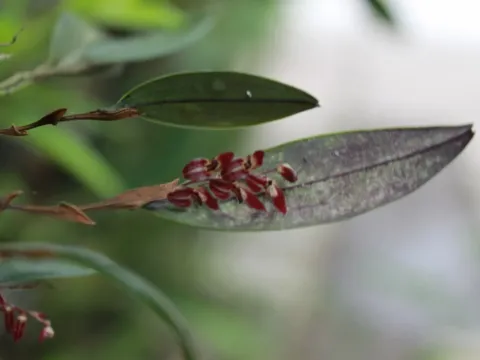
Trichosalpinx
Trichosalpinx
Trichosalpinx is a genus of epiphytic orchids belonging to the family Orchidaceae, native to the tropical and subtropical regions of the Americas. These plants are characterized by their small, often creeping growth habit and unique, complex floral structures.
What the section contains


Trichosalpinx
Successful cultivation requires high humidity levels, ideally maintained between 70% and 80%. Proper ventilation is critical to prevent fungal infections and ensures that the plant leaves remain healthy and free from stagnation.
These orchids thrive in cool to intermediate temperatures. It is essential to replicate their natural cloud forest environment, where night temperatures are significantly lower than daytime levels, which promotes vigorous growth.
The substrate must be light, airy, and well-draining, as the roots are sensitive to waterlogging. A blend of fine orchid bark, perlite, and long-fibered sphagnum moss is highly recommended for optimal root aeration.
Regular fertilization with a diluted, balanced orchid fertilizer is necessary during the active growth season. Avoid high concentrations of minerals, as these can easily burn the delicate root tips of miniature epiphytes.
The primary threats to Trichosalpinx plants include sap-sucking insects, such as spider mites and mealybugs, which thrive in environments where air circulation and humidity are poorly managed.
Fungal rots are a constant concern for this genus. These diseases typically manifest when water remains trapped in the leaf axils or when the potting medium decomposes and becomes overly acidic or anaerobic.
To combat pests, integrate pest management practices are recommended, using mild insecticidal soaps or horticultural oils. Always isolate affected plants immediately to prevent the spread to other collections.
Preventative measures against disease include the use of fungicides during the monsoon season or periods of high humidity. Cleanliness of the growing area is paramount for plant longevity.
It is important to monitor the root system periodically during repotting. Removing dead roots and replacing old substrate every two years helps maintain the vigor of the plant and reduces the risk of root-borne pathogens.