
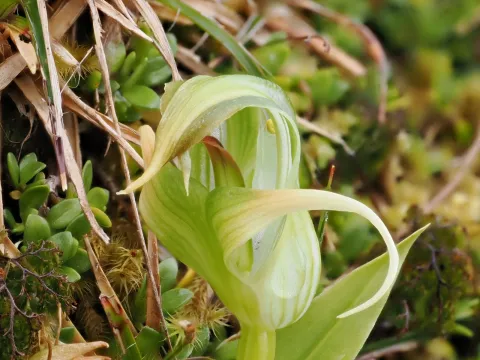
Pterostylis
Pterostylis
Pterostylis is a prominent genus of terrestrial orchids belonging to the Orchidaceae family. These plants are characterized by their subterranean tubers, which allow them to undergo a period of dormancy during dry or cold seasons, typical of their native Australian and New Zealand habitats.
What the section contains


Pterostylis
The natural range of these orchids includes diverse forest environments and shaded rocky outcrops. Understanding these conditions is key to cultivation, as they thrive in cool, moist, and well-ventilated settings, mimicking the forest floor ecosystem.
Soil requirements for Pterostylis involve a specialized mix that ensures rapid drainage while maintaining consistent moisture. A balanced blend of orchid bark, leaf mold, perlite, and coarse sand is generally recommended to prevent root suffocation.
Climate control focuses on providing a stable temperature range between 15°C and 20°C. Avoiding thermal shock is essential, particularly during the transition from the growth phase to the dormancy phase, where cooler temperatures are beneficial for future blooming.
Lighting should be bright but strictly indirect. Pterostylis species are adapted to understory light conditions, and excessive exposure to direct sun can lead to leaf necrosis and significantly reduce the chances of successful flowering.
The most critical threat to Pterostylis is the susceptibility to fungal pathogens caused by improper watering techniques. Root and tuber rot are widespread if the substrate remains saturated for too long, necessitating careful monitoring of soil moisture.
Pests like spider mites are prevalent in environments with insufficient humidity. These pests feed on cell sap, leading to stunted growth and reduced vigor, which can eventually kill the plant if left unmanaged.
Mealybugs are another common challenge in orchid cultivation. They tend to hide in crevices, requiring manual inspection and the use of insecticidal soaps or systemic treatments to control infestations effectively.
Viral infections, often spread by contaminated tools or insect vectors, represent a serious danger to the health of the entire collection. Strict sanitation protocols are required to isolate symptomatic plants and prevent cross-contamination.
Slug and snail damage poses a significant risk to outdoor or greenhouse-grown Pterostylis. Using physical barriers or bait traps is a standard agrotechnical practice to protect tender new shoots from these nocturnal gastropods.