
Pseudorchis
Pseudorchis
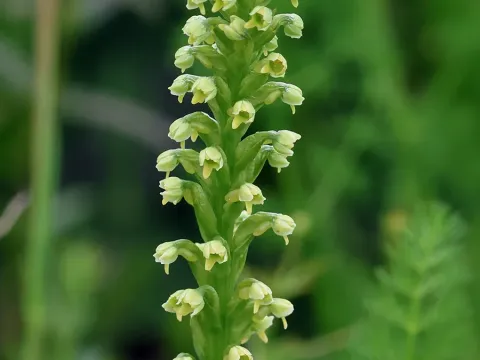
Pseudorchis is a genus of perennial herbaceous plants belonging to the Orchidaceae family. The plants are characterized by palmate-lobed tubers and are typically found in cool-temperate and subarctic regions of the Northern Hemisphere.
What the section contains


Pseudorchis
The habitat requirements are quite specific: these orchids thrive in nutrient-poor but moist environments, such as alpine meadows, heaths, and damp grassland areas where competition from taller vegetation is limited.
A fundamental biological necessity for Pseudorchis is the association with specific mycorrhizal fungi. These soil-dwelling fungi are essential for the germination and long-term survival of the orchid, acting as the primary source of nutrients in the early developmental stages.
Cultivation of Pseudorchis is virtually non-existent in traditional agriculture. Due to its extreme sensitivity to soil chemistry and mycorrhizal dependence, it cannot survive in standard managed agricultural fields or treated soil.
The role of Pseudorchis in human activity is restricted to environmental monitoring and conservation biology. It serves as a indicator species, reflecting the health and stability of fragile alpine and peatland ecosystems.
The primary threats to Pseudorchis populations include landscape degradation through intensive agricultural development, soil drainage, and the conversion of traditional meadows into high-output pastures.
Excessive nitrogen deposition from surrounding farmland can alter soil composition, favoring faster-growing weeds and invasive species that eventually outcompete the slower-growing Pseudorchis in its natural habitat.