
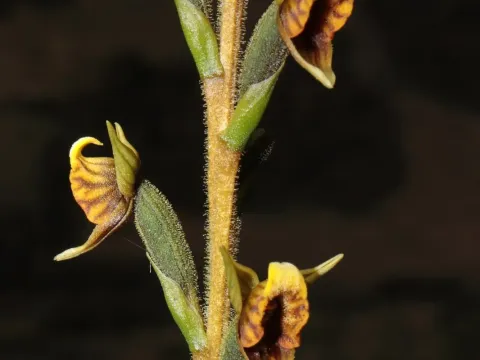
Pterichis
Pterichis
Pterichis is a genus of perennial herbaceous plants belonging to the Orchidaceae family. It is strictly a wild botanical genus and is not considered an agricultural crop in any part of the world.
What the section contains
Pterichis
The native distribution area of Pterichis is centered in the high-altitude regions of the Andes in South and Central America. These plants are adapted to harsh mountain environments, including cold climates and rocky, thin soils.
The botanical structure of the plant features tuberous roots for nutrient storage and a basal rosette of leaves. The inflorescences are typical for terrestrial orchids, containing small, specialized flowers adapted for specific insect pollinators.
Cultivation of Pterichis is impossible under standard agricultural conditions because it relies on a delicate symbiotic relationship with mycorrhizal fungi. Without these fungi, the plant cannot thrive or reproduce effectively.
There is no economic or industrial use for the Pterichis genus. It is exclusively of interest to botanical research and the conservation of high-altitude mountain ecosystems.
The primary threat to the Pterichis genus is habitat loss caused by climate change and human-driven environmental degradation. The specialized niches they occupy are extremely sensitive to even minor temperature shifts.
In the wild, these orchids can be affected by various fungal pathogens that target the roots, especially in conditions of poor drainage or high humidity. These diseases are natural parts of the mountain ecosystem's dynamic.
Insect pests such as leaf-eating larvae and nematodes can impact the health of individual plants. However, since the plant is not cultivated, there are no established chemical or mechanical control methods for these pests.
Competition from more aggressive plant species in the changing Andean climate poses a further risk to the survival of Pterichis populations. This competition often limits the spread of the genus into new areas.
Conservation efforts are currently focused on preserving the natural habitats where these orchids grow. Agricultural protocols for disease or pest prevention are not applicable to this wild orchid genus.