
Description
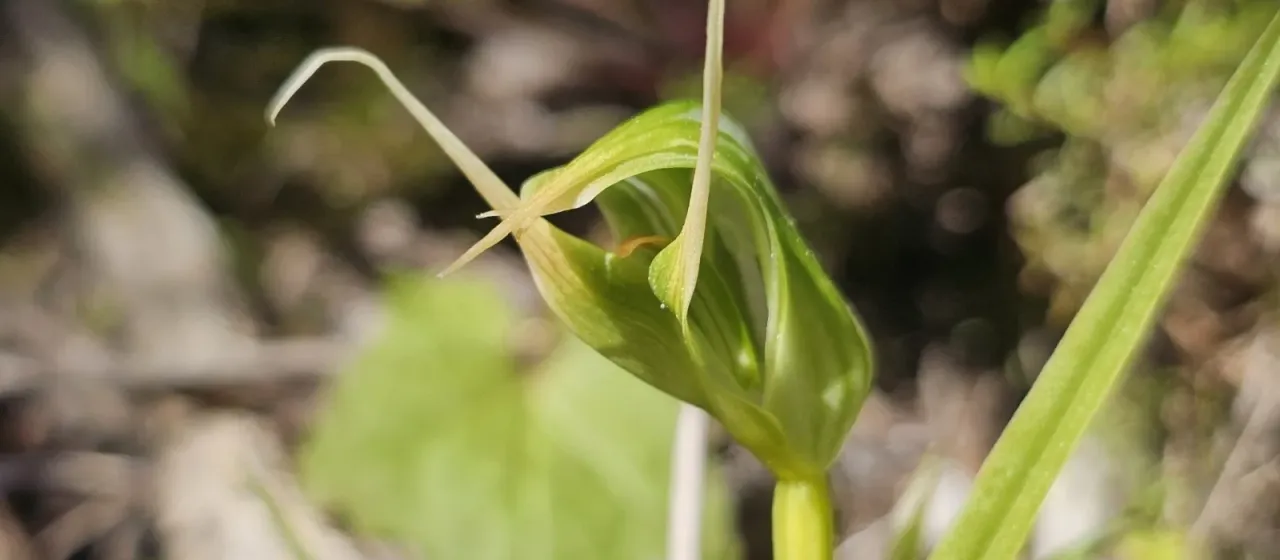
Pterostylis banksii, commonly known as the greenhood orchid, belongs to the Orchidaceae family. This unique perennial herb is celebrated for its distinctive flower structure, which features a fused dorsal sepal and petals forming a hood-like shape, creating a specialized trap mechanism for pollination.
The species is native to New Zealand, primarily found in damp, sheltered forest environments. In the horticultural sector, it is classified as a niche ornamental plant, primarily cultivated by enthusiasts and botanical gardens that can provide the necessary cool, temperate conditions required for its survival.
Botanically, the plant develops from a small, round tuber, which acts as a storage organ during its dormant stage. The foliage typically consists of a rosette of basal leaves, followed by an upright flowering stalk. Its biological adaptation to shaded, cool environments makes it a challenging species for mass production, necessitating high expertise in orchid management.
Agricultural requirements for Pterostylis banksii focus on replicating its natural forest floor habitat. This involves using a well-draining, organic-rich substrate composed of fine bark, perlite, and peat. Temperature control is critical; the plants thrive in cool conditions and are susceptible to heat stress, necessitating the use of specialized climate-controlled greenhouses.
In terms of хозяйственное (economic) utility, this orchid is used for botanical research and as a prize specimen in private collections. Maintenance includes careful monitoring for common orchid pests such as mealybugs and spider mites. Furthermore, overwatering is a major risk factor, often leading to fungal decay of the tuber system if drainage is insufficient.