
Ram's-head lady's-slipper
Cypripedium arietinum
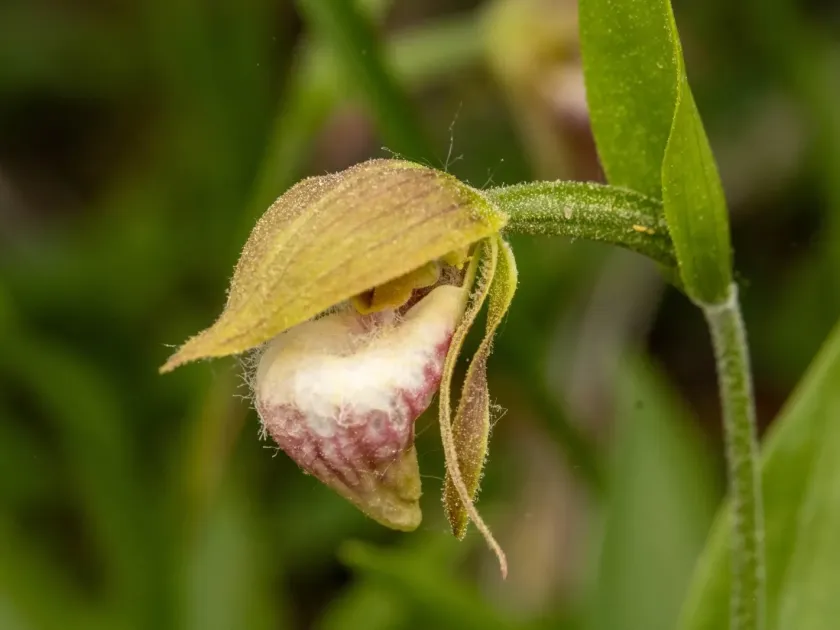
Description
Growing requirements
The Ram's-head lady's-slipper (Cypripedium arietinum) is a member of the Orchidaceae family, widely recognized for its unique, small, and distinctively shaped flowers resembling a ram's head. It is native to the cold, forested regions of North America.
To cultivate this species, growers must provide a cool and moist environment. It thrives in well-drained but consistently damp soil, typically in a substrate containing pine needles, leaf litter, and inorganic components like coarse sand or perlite.
Environmental requirements are strict: the plant prefers filtered light or light shade, avoiding the intense heat of direct midday sun. Good air circulation is vital to prevent leaf diseases and heat stress during the summer months.
Regarding soil, a slightly acidic pH is essential. Unlike many agricultural crops, this orchid relies on a symbiotic relationship with specific soil fungi, known as mycorrhizae, which must be present in the planting medium for long-term survival.
Economically and horticulturally, this plant is treated as a specialty crop, mostly utilized by enthusiasts and specialized botanical garden nurseries focused on the conservation of rare and native orchid species.
Main diseases and pests
Root rot is the most critical threat to the Ram's-head lady's-slipper, often caused by stagnant water in the root zone and improper substrate composition.
Garden pests like slugs and snails are highly destructive during the early spring growth phase, as they target the tender emerging shoots of the plant.
In drier microclimates, spider mites can become a significant issue, causing yellowing and premature drying of the leaves, which reduces the plant's vigor.
Various fungal pathogens can attack the leaves and stems if the environment is too humid without sufficient airflow, necessitating the use of specialized fungicide treatments.
Loss of symbiotic mycorrhizal fungi leads to nutrient deficiency and eventual decline, which remains a primary challenge in maintaining these plants outside their natural forest habitat.