
Pogonia japonica
Pogonia japonica
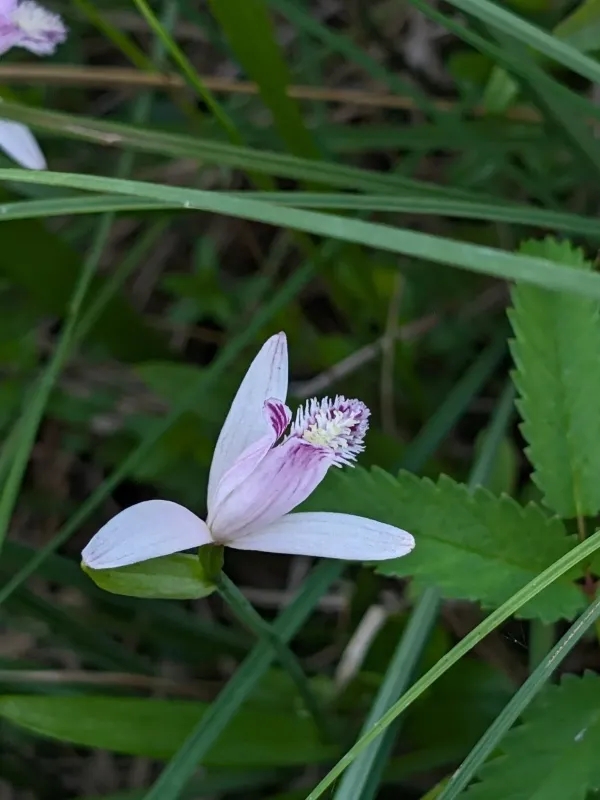
Description
Growing requirements
Pogonia japonica is a perennial herbaceous plant belonging to the Orchidaceae family. It is native to the wetlands, bogs, and marshes of East Asia, including Japan, Korea, China, and the Far East regions of Russia, where it thrives in acidic, moist environments.
To cultivate this plant successfully, specific soil conditions must be replicated. It requires a substrate composed of acidic peat and live sphagnum moss. This combination ensures that the plant remains consistently hydrated while maintaining the necessary acidic pH levels for root health.
The plant demands high ambient humidity and good air circulation. While it loves moisture, it is crucial to avoid stagnant water around the roots, as this leads to hypoxic conditions that cause the orchid to rot rapidly.
Regarding light, Pogonia japonica prefers bright but indirect or filtered sunlight. Direct midday sun in summer can be harsh for its delicate foliage, potentially causing leaf tissue damage or premature senescence of the flower spikes.
As a collector's plant, it has limited traditional agricultural use but holds significant value in conservation biology and specialized horticultural displays. Its elegant structure and unique ecological niche make it a sought-after species for botanical garden rockeries and wetland setups.
Main diseases and pests
The primary threat to wild populations of Pogonia japonica is habitat loss due to industrial land development and the draining of wetlands. The destruction of its specific micro-habitat leads to local extinctions and fragmentation of the species distribution.
In cultivation, common pests include gastropods such as slugs and snails, which are attracted to the moisture-rich environments and can consume young shoots overnight. Implementing barrier protections or organic baits is effective for control.
Root rot caused by pathogenic fungi is a constant risk in wet conditions. If the drainage of the pot or bed is insufficient, the environment becomes stagnant, leading to rapid decay of the delicate orchid roots and potential death of the plant.
Viral infections are another concern, often characterized by mosaic patterns or stunted growth. Since there is no cure, the best management strategy is the isolation of symptomatic plants and the sterilization of pruning tools between uses.
Maintaining a balanced nutritional status is key to disease prevention. Over-fertilizing can lead to excessive salt buildup in the substrate, which weakens the plant's natural immunity and makes it more susceptible to secondary fungal infections.