
Galeola
Galeola
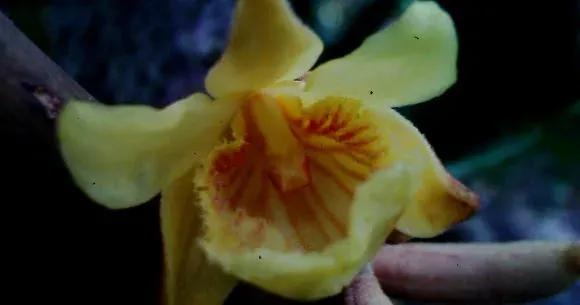
Description
Growing requirements
Galeola is a genus of perennial plants within the Orchidaceae family. These plants are scientifically recognized as mycoheterotrophs, meaning they lack chlorophyll and rely entirely on mycorrhizal fungi for their carbon and nutrient uptake.
The biology of Galeola is distinct from conventional crops, as they do not perform photosynthesis. Their life cycle is deeply intertwined with specific fungal networks found in forest ecosystems, making them impossible to cultivate through traditional agricultural methods.
The native distribution of this genus spans tropical and subtropical forests across Asia, including regions in India, China, and the Malay Archipelago. They thrive in environments rich in decaying organic matter and moisture.
Successful growth of these orchids requires specific environmental cues and the presence of compatible symbiotic fungi. They are highly sensitive to soil disturbance and changes in local humidity levels, which often hinders their survival outside natural habitats.
There is no commercial agricultural usage for Galeola due to its specialized survival strategy. Its value remains primarily scientific, focusing on the study of plant-fungal evolution and the preservation of rare botanical biodiversity.