
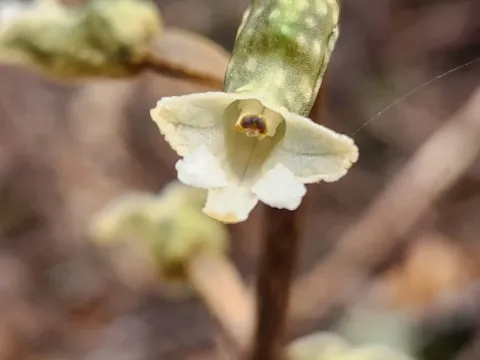
Gastrodia
Gastrodia
Gastrodia elata is a remarkable species of the orchid family, distinguished by its mycoheterotrophic nature. It lacks chlorophyll and relies entirely on the fungus Armillaria mellea to extract nutrients from wood and organic matter, making it a highly specialized crop.
What the section contains


Gastrodia
Native to the forest regions of East Asia, it requires specific microclimatic conditions. Successful cultivation depends on mimicking natural forest floor environments, characterized by consistent soil moisture, high organic content, and effective drainage to prevent root rot.
The core of the production process is the symbiotic bed. Growers must first establish a robust mycelial network of Armillaria mellea on logs or wood chips, which acts as the foundation for the plant to thrive. Soil temperatures must be strictly regulated to ensure this fungal partner remains active.
Agricultural management is intensive, requiring a deep understanding of fungal ecology. Unlike traditional vegetable crops, the health of Gastrodia is a direct reflection of the health of the host fungus, necessitating a holistic approach to plantation management.
Industrially, Gastrodia is highly valued in pharmaceutical sectors, particularly in Asian markets. The tubers are processed to treat conditions such as headaches, neuralgia, and hypertension, creating a sustainable demand for high-quality cultivated supplies.
Pest management is a major challenge, as the presence of the symbiotic fungus limits the use of chemical fungicides and pesticides. Common pests include larvae of soil-dwelling insects like wireworms, which target the nutrient-rich tubers.
The greatest threat to a plantation is the colonization of the substrate by competitor fungi. If the Armillaria mycelium is compromised by mold or aggressive soil pathogens, the Gastrodia plants will fail to develop and inevitably perish.
Excessive rainfall coupled with poor drainage leads to bacterial soft rot, which can destroy an entire harvest in a short period. Soil aeration and slope management are essential to mitigating the risk of waterlogging.
Preventive measures focus on using sterilized wood materials and healthy, disease-free seed tubers. Regular monitoring of the fungal bed’s visual indicators helps in identifying issues before they spread across the entire plantation.
Plantation hygiene is critical. Tools used in harvesting or maintenance must be disinfected to prevent the spread of harmful spores that could destabilize the established ecosystem within the growing beds.
Harvesting usually takes place in late autumn when the plant becomes dormant. Tubers are typically ready for extraction 2 to 3 years after the initial inoculation, ensuring they have reached their optimal pharmacological maturity.
Manual labor is essential during harvest to minimize bruising. Tubers are carefully unearthed, separated from the substrate, and cleaned of any remaining debris or fungal residue before they are transported to processing facilities.
The post-harvest phase involves washing and initial sorting by size and quality. To prevent enzymatic degradation, the tubers must be dried under controlled thermal conditions until they reach the required moisture content for storage.
Storage requires cool, dry, and dark conditions. Proper airflow is necessary to maintain the integrity of the dried tubers, which can otherwise be susceptible to re-absorption of moisture and subsequent fungal contamination.
The final yield is heavily dependent on the efficiency of the initial symbiotic bond. A successful harvest produces dense, high-quality tubers that retain the aroma and chemical compounds required by the medicinal industry.