
Cremastra unguiculata
Cremastra unguiculata
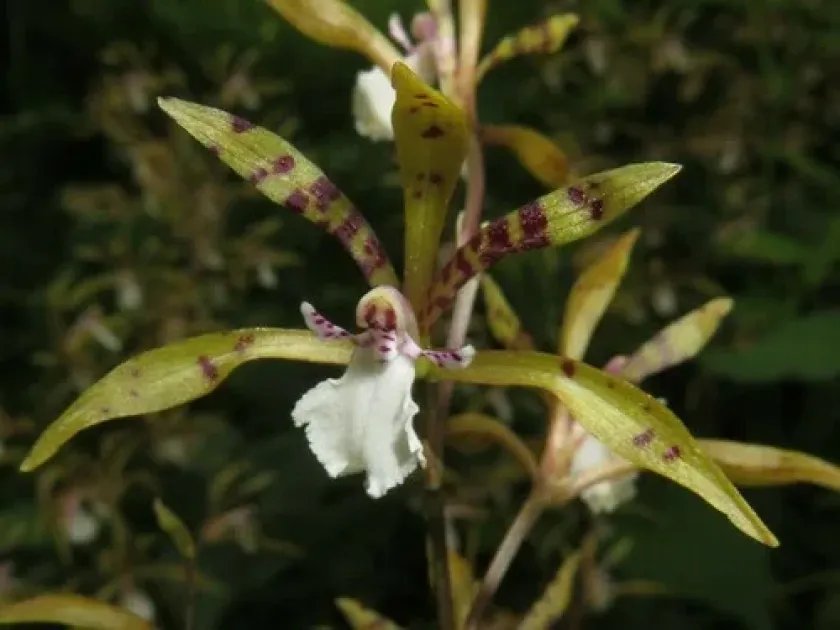
Description
Growing requirements
Cremastra unguiculata is a perennial herbaceous plant belonging to the Orchidaceae family. It is a terrestrial orchid known for its specialized underground storage organs called pseudobulbs, which allow the plant to survive adverse seasonal conditions.
The native range of this species is centered in East Asia, including regions across China, Japan, and Korea. It typically inhabits cool, shaded forest floors where it is protected from intense solar radiation and enjoys a stable, humid environment.
The plant thrives in well-draining, nutrient-rich soils composed primarily of leaf mold and organic forest litter. A slightly acidic to neutral substrate pH is ideal for promoting nutrient uptake and maintaining root health throughout the growing cycle.
Cultivation requires careful management of irrigation and environmental humidity. As a moisture-loving species, it requires consistent watering, but the soil structure must prevent waterlogging, which could lead to root rot and other physiological issues.
Beyond its aesthetic appeal, Cremastra unguiculata is historically significant in traditional medicine. Its pseudobulbs are harvested for their therapeutic compounds, which are researched for their potential in pharmaceutical applications, particularly for their anti-inflammatory effects.