
Cremastra appendiculata
Cremastra appendiculata
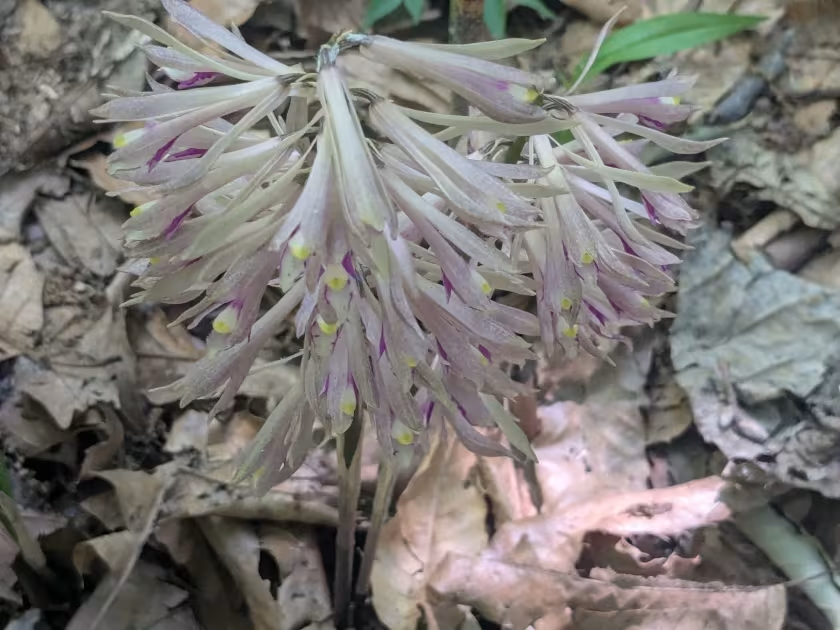
Description
Sowing dates
Propagation of Cremastra appendiculata in agricultural settings is achieved through seeds or division of pseudobulbs. Seed germination is complex and requires in vitro techniques, as the seeds lack endosperm and depend on mycorrhizal symbiosis.
Vegetative division is performed during the dormant season, when the plant sheds its leaves. Care must be taken to ensure each division has a healthy root system and a sufficient portion of the rhizome to support new growth.
The growing season typically begins in early spring, as temperatures rise. During this phase, it is vital to maintain consistent humidity and provide a stable environment to encourage initial development.
In nursery environments, early growth is monitored under strict control of light and temperature. Seedlings require a specialized substrate that mimics forest humus, ensuring they can access necessary nutrients without root rot.
Techniques for mass production include using sterile labs for initial tissue culture, followed by hardening-off in greenhouse conditions. This ensures that the plants are resilient enough for final transplantation.
Growing requirements
Cremastra appendiculata is a perennial orchid species that thrives in specific forest ecosystems across East Asia. It requires a growing environment that provides excellent drainage and a loose, nutrient-rich substrate.
The plant prefers partial shade, mimicking the forest canopy layer. High-intensity light can cause significant stress to the plant, leading to leaf scorching and potential death of the photosynthetic tissues.
Water requirements must be met with precision; the soil should remain moist but never waterlogged. Poor drainage is the most frequent cause of root decay and pseudobulb rot in cultivation.
Temperature management is critical for the plant's life cycle. It requires a cool dormant period during winter, which is essential for triggering the next growth cycle and ensuring future flower production.
Fertilization should be handled carefully, using balanced orchid-specific nutrients. Excess nitrogen can lead to rapid but weak vegetative growth, making the plants more susceptible to environmental stressors.
Yield
The economic value of this crop is primarily derived from its pseudobulbs, which are harvested for traditional medicinal applications. Yield is influenced by the age of the crop and the environmental control maintained on the farm.
The harvested product, known as «Shan Cigu» in herbal medicine, contains bioactive compounds such as alkaloids. These are prized for their potential therapeutic effects in treating respiratory conditions.
Harvesting is labor-intensive, as the delicate pseudobulbs must be extracted carefully from the substrate to avoid damage. Manual harvesting remains the standard, as mechanized tools often crush the tubers.
Post-harvest processing is crucial to maintaining product quality. It involves cleaning, sorting by size, and systematic drying to ensure that the active chemical constituents are preserved for market.
As the demand for natural medicinal products increases, refined cultivation techniques are being developed to improve per-hectare yield. Stability in supply is key to meeting the requirements of the pharmaceutical industry.
Main diseases and pests
Fungal pathogens represent the most significant threat to Cremastra appendiculata populations. Conditions with high humidity and stagnant air facilitate the spread of rot, which can destroy an entire harvest.
Pests such as snails and slugs are a constant concern, particularly for younger plants. Integrated pest management strategies, including baiting and physical barriers, are necessary to minimize these losses.
Aphids and spider mites may also affect the plant's health during the active growth phase. Regular inspection and early detection are vital to prevent large-scale infestation that can weaken the pseudobulbs.
Viral infections are irreversible and necessitate the immediate disposal of the affected plants. Strict hygiene practices during division and handling are the only way to effectively prevent the transmission of viruses.
- Sterilization of all agricultural equipment.
- Monitoring substrate moisture to prevent fungal blooms.
- Implementing regular pest scouting routines.
Harvesting
Harvesting usually takes place in late autumn or early spring, during the plant's dormant phase. Harvesting during this period minimizes physiological stress and ensures the highest concentration of medicinal compounds.
The process begins by carefully removing the substrate surrounding the pseudobulbs. Only healthy, mature tubers are selected for harvest, while smaller ones may be replanted to continue the production cycle.
After extraction, the tubers are rinsed thoroughly in clean water. Removing all soil particles is essential, as residue can harbor bacteria that might compromise the shelf-life of the dried product.
Drying is a critical step performed in temperature-controlled drying rooms. This prevents the growth of mold and ensures the active compounds remain stable throughout the storage period until they reach the processor.
Final storage involves placing the dried goods in dry, cool, and well-ventilated containers. This protects the product from humidity, light exposure, and potential contamination by pests during the distribution phase.