
Beloglottis costaricensis
Beloglottis costaricensis
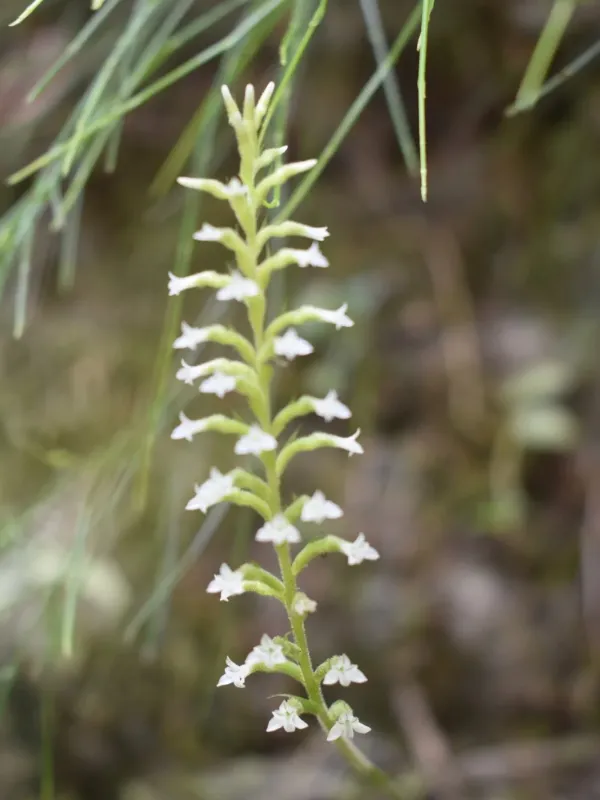
Description
Growing requirements
Beloglottis costaricensis is a terrestrial orchid species belonging to the Orchidaceae family. Unlike epiphytic orchids, this plant grows directly in the soil, favoring the nutrient-rich humus layer found in tropical forests of Central and South America.
The botanical architecture of the plant involves a rosette of lanceolate leaves that emerge from a subterranean or semi-subterranean rhizome. These leaves are typically vibrant green and provide the necessary surface area for photosynthesis in shaded environments.
The flowering process is characterized by an upright inflorescence spike, bearing a cluster of small, delicate flowers. These flowers are morphologically adapted to attract specific insect pollinators found in the humid, tropical habitats where the plant originates.
Cultivation requirements involve mimicking forest floor conditions. The soil medium must be highly porous, containing high organic content such as peat or pine bark, which ensures excellent drainage while retaining consistent moisture levels for the roots.
Temperature management is critical, as this species thrives in stable tropical conditions, typically between 20°C and 25°C. High ambient humidity is essential to prevent desiccation, as the plant lacks the thick, water-storing pseudobulbs found in many other orchid genera.
Main diseases and pests
In its natural habitat, the species faces risks primarily from environmental degradation. Deforestation and changes in forest humidity levels directly impact the survival of these orchids, as they rely on complex subterranean fungal associations (mycorrhiza).
In greenhouses or domestic collections, the most common pests include aphids and spider mites. These insects thrive in dry air and can rapidly weaken the plant by feeding on the sap of tender new leaf growth.
Fungal pathogens such as leaf spot are common in environments with poor air circulation. Stagnant air combined with moisture on the foliage creates an ideal environment for spores to germinate, causing aesthetic and physiological damage to the plant.
Bacterial soft rot represents the most severe threat to Beloglottis costaricensis. This infection moves quickly through the plant's tissues, often causing the collapse of the rosette, especially if the plant is kept in waterlogged, poorly aerated soil.
Management strategies involve rigorous hygiene, including the sterilization of potting media and the careful monitoring of water quality. Regular application of preventative fungicides and insecticides is recommended to maintain a healthy growth cycle.