
Streptopus
Streptopus
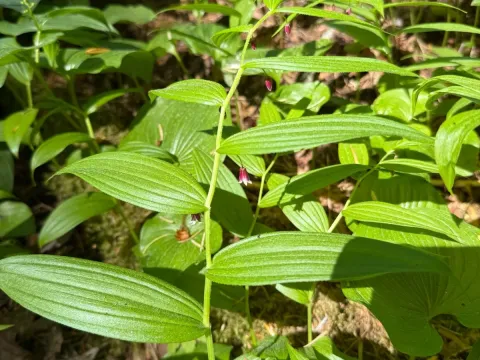
Streptopus is a genus of herbaceous perennial plants belonging to the Liliaceae family. Native to the cool, moist forests of the Northern Hemisphere, these plants are renowned for their arching stems and delicate, pendant flowers that typically bloom in late spring.
What the section contains


Streptopus
Cultivation of Streptopus requires mimicking its natural woodland habitat. The primary requirement is a cool, shaded environment. Intense sunlight and heat are detrimental to the plant, causing foliage to wilt and the root system to suffer from excessive thermal stress.
The ideal growing medium should be rich in organic matter, well-drained, and slightly acidic. It is crucial to maintain consistent soil moisture levels. Adding a layer of organic mulch, such as leaf mold or compost, is highly recommended to regulate soil temperature and retain humidity.
Agricultural management of the crop focuses on site selection and moisture maintenance. Since the plant is not drought-tolerant, supplemental watering is essential during dry spells. However, care must be taken to prevent waterlogging, as the rhizomes are prone to decay in saturated soils.
Streptopus is primarily utilized as an ornamental plant in shaded garden landscapes. It thrives in rock gardens, woodland plantings, and sheltered borders, where its unique zigzag stem and subtle beauty provide a sophisticated aesthetic that contrasts well with ferns and hostas.
The major phytosanitary threats to the plant include various fungal infections, such as root rot and leaf spot, which are often exacerbated by poor drainage and stagnant air around the canopy. Preventive measures include proper spacing and avoiding overhead irrigation.
Pest pressures are generally low but can be significant when populations of slugs and snails are high. These mollusks favor the tender, moist foliage of Streptopus and can cause extensive cosmetic and structural damage, necessitating timely baiting or the use of physical barriers.