
Clasping-leaved twistedstalk
Streptopus amplexifolius
Description
Growing requirements
Streptopus amplexifolius, commonly known as the clasping-leaved twistedstalk, is a perennial herb belonging to the Liliaceae family. It is native to moist, shady woodlands across the Northern Hemisphere, where it thrives in cool, temperate environments.
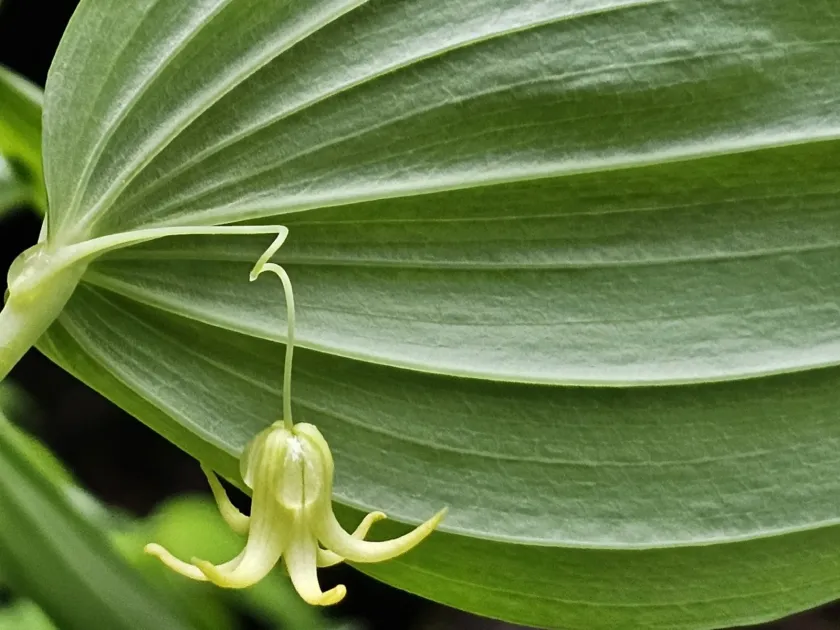
The plant is distinguished by its zigzag-shaped, branching stems and leaves that clasp the stem at the base. It produces delicate, bell-shaped flowers that hang individually, eventually developing into bright red berries that remain on the plant into autumn.
Successful cultivation requires mimicry of its native woodland habitat. The plant demands rich, moist, and well-draining soil with a high concentration of organic matter. It is highly sensitive to heat and direct sunlight, preferring deep or partial shade.
In terms of agricultural management, propagation is primarily carried out through rhizome division. The plant is relatively low-maintenance once established, provided it is grown in a location that maintains consistent humidity and moderate temperatures throughout the growing season.
While not a major commercial food crop, it holds value in ornamental landscaping for shade gardens. Historically, some indigenous cultures have consumed the young shoots and berries, though it is not cultivated on a large scale for human consumption today.
Main diseases and pests
Common pests associated with this species include slugs and snails, which can cause significant foliar damage in damp, shaded environments. Control strategies often involve physical barriers or the use of organic deterrents to protect young growth.
Pathogenic threats are usually related to root rot and other fungal infections caused by poor soil drainage. Ensuring that the planting site has sufficient aeration and that the soil does not remain waterlogged is crucial for maintaining plant health.