
Streptopus lanceolatus
Streptopus lanceolatus
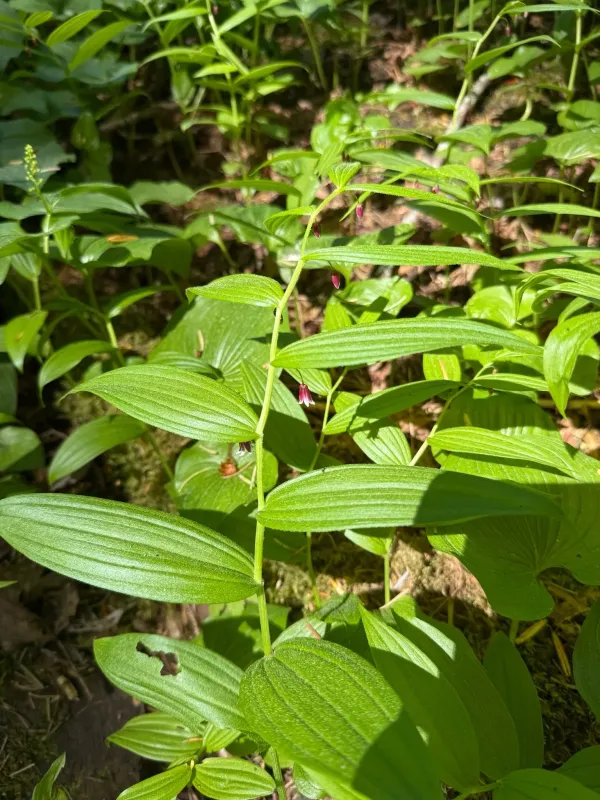
Description
Growing requirements
Streptopus lanceolatus, commonly known as the lance-leaved twisted-stalk, is a perennial herbaceous plant belonging to the Liliaceae family. It is distinguished by its characteristic branched stems and lance-shaped leaves that emerge from a subterranean rhizome system.
Originating from the woodlands of North America, this species thrives in cool, moist, and temperate forest habitats. Its ecological niche is specifically adapted to environments with high organic content in the soil and significant canopy cover provided by trees.
Cultivation requirements necessitate well-drained, acidic to neutral soil enriched with leaf mold or compost. The plant requires a consistent moisture supply throughout the growing season to maintain its turgor and prevent wilting in drier weather conditions.
In terms of light exposure, the plant demands shaded or semi-shaded areas. It is sensitive to intense solar radiation, which can easily damage its foliage; thus, placement in naturally sheltered woodland gardens is recommended for optimal growth and development.
The primary agricultural and horticultural utility of the plant lies in shade-tolerant landscaping. Its ability to colonize damp, shaded environments makes it a valuable asset for restoration of forest floors or specialized horticultural collections in temperate climates.
Main diseases and pests
The most common pathological issues affecting this plant are soil-borne fungal diseases, specifically root rot, which typically occur in poorly drained substrates. Maintaining appropriate soil aeration is crucial to mitigating these risks.
Pest pressures are primarily exerted by gastropods, including slugs and snails, which can cause significant damage to the plant's delicate leaves during moist periods. Cultural controls like using coarse mulch or creating physical barriers are highly effective.