
Sewerzow's Fritillary
Fritillaria sewerzowii
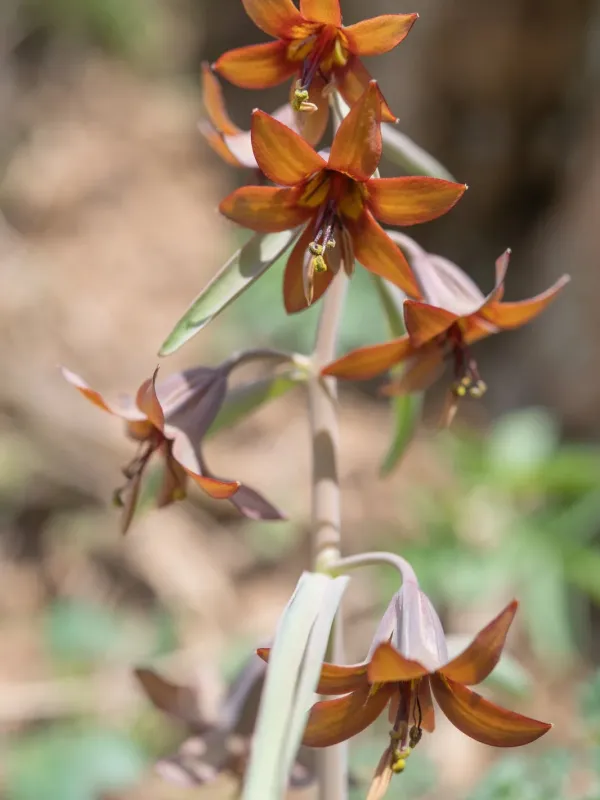
Description
Sowing dates
Planting Sewerzow's Fritillary (Fritillaria sewerzowii) is best performed during the autumn months. In temperate climates, the ideal window is between September and October, which allows the bulbs to establish a healthy root system before the ground freezes.
The planting depth should be approximately three times the height of the bulb, usually ranging from 10 to 15 centimeters. Shallow planting may expose the bulb to harsh temperature fluctuations, while planting too deep can impede early spring development.
Maintain a spacing of at least 20 to 30 centimeters between bulbs. This spacing is vital for ensuring adequate air circulation around the emerging shoots, which significantly reduces the humidity levels that often lead to rot.
When propagating via seeds, sow them immediately after harvesting in well-drained soil. Seeds require a period of cold stratification, so leaving them outdoors during winter is an essential biological step for successful germination in the following spring.
Before planting, inspect all bulbs for signs of damage, mold, or dehydration. Only firm, healthy bulbs should be selected for propagation to ensure the vigor of the future plant population and to prevent the spread of diseases within the garden bed.
Growing requirements
Sewerzow's Fritillary, a member of the Liliaceae family, is native to the mountain ranges of Central Asia. It thrives in locations that receive full sun to partial shade, provided the soil drainage is excellent to prevent waterlogging.
The ideal soil is gritty, well-structured, and slightly alkaline or neutral. For heavier soils, incorporating coarse sand or fine gravel is necessary to improve aeration and prevent the bulbs from sitting in water, which is a leading cause of failure.
Consistent but light moisture is required during the active growth period. However, as the plant enters its summer dormancy and the foliage begins to wither, it is crucial to keep the soil relatively dry to allow the bulb to rest undisturbed.
The plant is frost-hardy, but in regions with harsh winters and lack of snow cover, applying a protective layer of mulch is highly recommended. This helps stabilize soil temperature and prevents the rapid freeze-thaw cycles that can damage the root zone.
Fertilization should be kept to a minimum and applied only in early spring. A balanced, low-nitrogen fertilizer helps support the development of strong, healthy stems and flowers without promoting excessively succulent growth that is prone to disease.
Main diseases and pests
Fungal diseases are the most significant threat to Sewerzow's Fritillary, with gray mold (Botrytis) being particularly problematic. Excessive moisture and poor drainage often trigger this disease, leading to soft rot in the bulbs and tissues.
Preventive measures include soaking bulbs in a fungicide solution before planting and ensuring the site has superior drainage. If an infection occurs, remove and destroy the affected parts immediately to prevent further spread of the pathogen.
The lily beetle is a common insect pest that can cause extensive defoliation. Regular monitoring in the spring is essential; hand-picking the beetles and their larvae is often the most effective control method for small to medium-sized cultivation areas.
Bulb pests such as onion flies can also cause damage by boring into the scales. Proper sanitation of the planting site, including the removal of dead plant material, is crucial to reducing the habitat of these pests and maintaining plant health.
In cases of recurring pest or disease issues, crop rotation is a recommended strategy. By moving the Fritillaria plants to a new location every four years, you break the life cycle of soil-borne pests and maintain a healthier growing environment.