
Tritonia crocata
Tritonia crocata (L.) Ker Gawl.
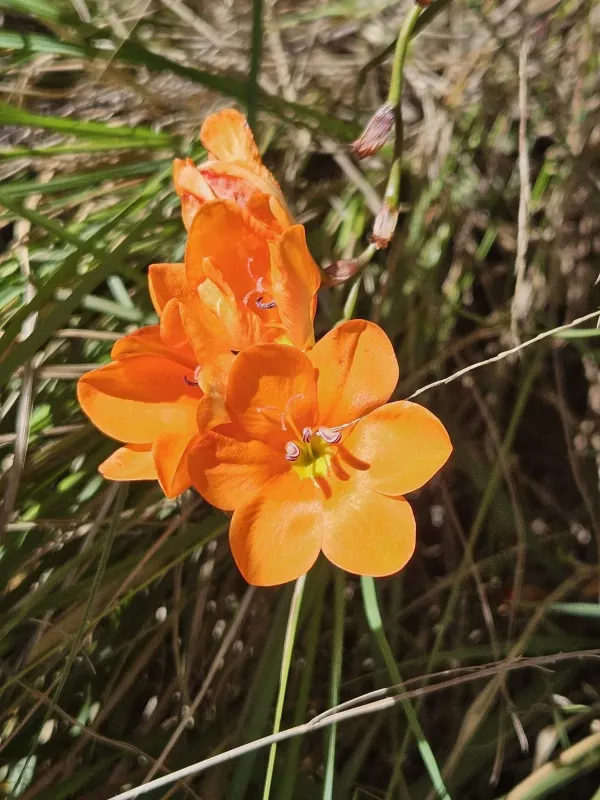
Description
Sowing dates
Tritonia crocata, a member of the Iridaceae family, is a cormous perennial that requires specific planting techniques for optimal growth. In temperate climates, corms are planted in the spring once the soil temperature consistently reaches 10–12 degrees Celsius.
The ideal planting window typically falls in April, after the last frost risk has passed. For regions with shorter growing seasons, starting corms in pots indoors in early March can provide a head start, though care must be taken during the transplanting process.
Corms should be placed at a depth of 5–8 centimeters, depending on the soil structure. Adequate spacing of 10–15 centimeters between plants is essential to ensure proper air circulation and to prevent the development of foliage diseases during the growth cycle.
Crop rotation is a critical agricultural practice for this species. To maintain soil health and minimize pest buildup, it is recommended not to plant Tritonia in the same soil more frequently than once every three to four years.
Propagation is primarily achieved through offsets or daughter corms produced by the mother plant. While seed propagation is possible, it is rarely used in commercial settings due to the extended juvenile period before the plant reaches flowering maturity.
Growing requirements
Tritonia crocata thrives in sunny locations with protection from strong, drying winds. The soil must be well-drained and light, as the corms are highly susceptible to rot if they remain in saturated soil for extended periods.
Soil pH should ideally be neutral or slightly acidic. On heavier clay soils, incorporating sand or fine grit is necessary to improve drainage and aeration, which are fundamental requirements for the survival of the cormous root system.
The plant performs best in temperatures ranging from 20 to 25 degrees Celsius. It is highly sensitive to frost, and any exposure to freezing temperatures will likely result in the death of the above-ground foliage and damage to the corm.
Consistent, moderate watering is required during the active growth period. While the plant needs moisture during its budding phase, it is vital to avoid waterlogging the site, as this creates a perfect environment for fungal pathogens.
Fertilization with a balanced NPK fertilizer (with higher potassium and phosphorus ratios) encourages robust flower production. Applying nutrients during the early vegetative stage ensures the plant has the resources needed for its metabolic processes.
Main diseases and pests
Fungal diseases, including Fusarium wilt and Botrytis (gray mold), represent the primary threat to the health of Tritonia crocata. These pathogens are exacerbated by high humidity levels and poor ventilation within the planting area.
Pests such as thrips and spider mites are frequent nuisances that damage the foliage, leading to reduced photosynthesis and weakened plant vigor. In some conditions, aphids may also colonize the stems and floral structures.
Proactive management includes treating corms with a fungicide before planting. Maintaining a dry, well-ventilated storage environment for dormant corms (around 5–8 degrees Celsius) is essential to prevent storage-related rots.
Integrated pest management, involving the use of systemic insecticides, is effective for controlling major infestations. It is important to rotate products to prevent pests from developing resistance to specific active ingredients.
Regular field scouting is highly recommended to identify signs of stress or infection early. Removing and destroying infested plant material promptly can prevent the spread of disease to neighboring healthy specimens.