
Olsynium douglasii
Olsynium douglasii
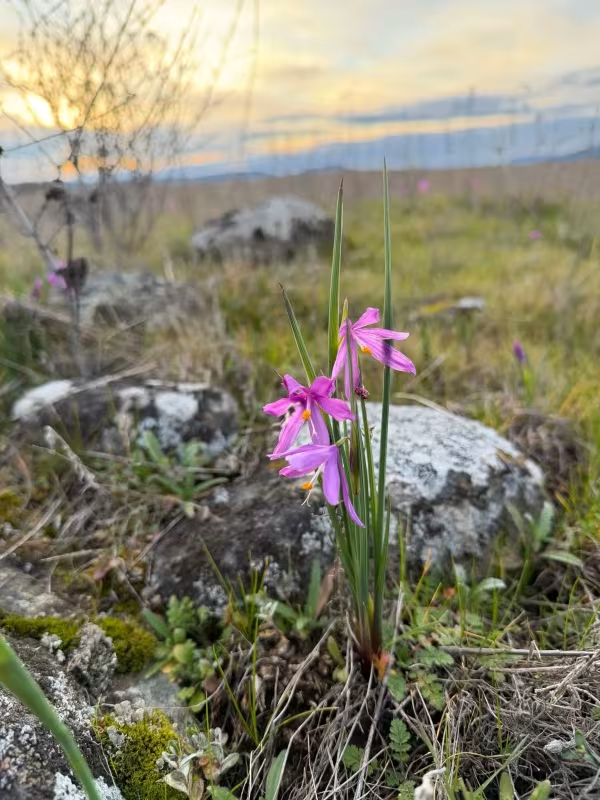
Description
Sowing dates
Olsynium douglasii, commonly known as the grass widow, is a charming perennial member of the Iridaceae family. Propagation is primarily achieved through seeds or the division of rhizomes/corms, which should be handled during the dormant period.
Seed sowing is best performed in the autumn, allowing for a natural cold stratification period throughout the winter. When starting in a greenhouse, seeds require pre-chilling to ensure high germination rates, as the species is adapted to cooler germination cycles.
Vegetative division is the preferred method for maintaining genetic uniformity and establishing the plant in garden settings. This process involves lifting the corm clusters after the foliage has died back and separating them into smaller, viable clumps for replanting.
When planting, it is crucial to ensure the planting medium is loose and aerated. The planting depth should be approximately 3 to 5 centimeters, allowing the young shoots to emerge through the soil surface without excessive energy consumption.
Spacing should be managed to ensure adequate ventilation between individual plants. A distance of 15–20 centimeters is generally recommended to prevent the localized spread of humidity-related pathogens during the growing season.
Growing requirements
Native to western North America, this plant is well-adapted to environments that experience wet, cool springs followed by dry, warm summers. It thrives in locations that receive full to partial sun, provided the soil remains well-drained.
The soil structure must be gritty and lean, as the plant does not tolerate heavy, compacted, or waterlogged conditions. Adding horticultural grit or coarse sand can significantly improve the survival rate in clay-heavy environments.
The plant demonstrates a strong preference for neutral to slightly acidic pH levels. Excessive nitrogen fertilization should be avoided, as it encourages weak stem growth and increases susceptibility to fungal diseases.
Climatic requirements focus on the seasonal cycle. Providing a dry summer rest period is essential, as this mimics the natural habitat conditions and helps in maturing the corms for the next flowering season.
While the species is cold-hardy, protection from excess winter moisture is more important than protection from frost. Proper site elevation or raised beds are effective strategies to prevent standing water near the root zone.
Main diseases and pests
The most significant threat to Olsynium douglasii is root rot caused by stagnant water, particularly during the transition from winter to spring. Botrytis blight can also occur in environments with poor air circulation.
Pests are generally minor but can include thrips or spider mites in greenhouse conditions. Early detection is key, as the plant's delicate foliage can be quickly damaged by sucking insects.
Soil-borne pathogens like Fusarium can attack the corms if the growing medium is contaminated. Ensuring that all tools and containers are sterilized before planting is a fundamental agricultural practice for this species.
Slugs and snails may feed on the tender young shoots in early spring, requiring physical barriers or organic pest control methods. Keeping the area surrounding the plants clear of debris reduces shelter for these mollusks.
- Maintain excellent soil drainage.
- Monitor for early pest signs in spring.
- Avoid over-watering during the summer dormancy.