
Diplarrhena
Diplarrhena
Diplarrhena is a herbaceous perennial belonging to the Iridaceae family. Native to the cool, temperate regions of Tasmania and southeastern Australia, it thrives in moist woodlands and open grassy environments where the climate remains relatively stable throughout the year.
What the section contains

Diplarrhena
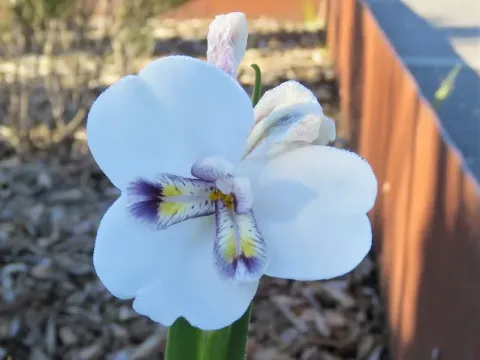
The plant features distinctive, grass-like basal leaves arranged in firm fans. It produces elegant, iris-like flowers with delicate white petals often marked with yellow or purple streaks, which are highly valued in horticultural practices for their unique appearance.
For successful cultivation, Diplarrhena requires a climate that mimics its natural habitat, avoiding excessive heat and prolonged drought. It prefers positions that receive morning sun but are protected from the harsh intensity of afternoon solar radiation.
The ideal soil substrate for this plant is a well-drained, fertile loam with a slightly acidic pH. Waterlogging is detrimental to the rhizomes, so ensuring excellent soil drainage is a critical step in the initial planting process, especially in heavy clay environments.
Agricultural management involves regular but moderate watering throughout the growing season to maintain soil moisture without saturation. In regions with cold winters, providing light mulch helps protect the root system from freezing temperatures while maintaining the overall health of the specimen.
The primary concern regarding Diplarrhena health is fungal infection, typically caused by poorly drained soil or excessive moisture retention. Ensuring proper airflow around the base of the plant is an effective measure to prevent rot-related issues.
Slugs and snails often target new growth in the spring, making them the most significant pests for this species. Integrating natural predators or using organic barrier controls can protect the foliage from damage without harming the environment.
Aphids may occasionally appear on the flower spikes, draining sap and potentially weakening the plant during its flowering phase. Early detection and the use of insecticidal soaps or neem oil are usually sufficient to manage these infestations effectively.
Maintenance includes the removal of dead or spent foliage to keep the plant vigorous and reduce the risk of humidity-related disease. This simple sanitary practice allows the plant to allocate its energy towards new growth and reproductive health.
Overall, when provided with appropriate growing conditions and regular attention, Diplarrhena is a low-maintenance, resilient plant that offers long-lasting ornamental value in various garden landscape settings.