
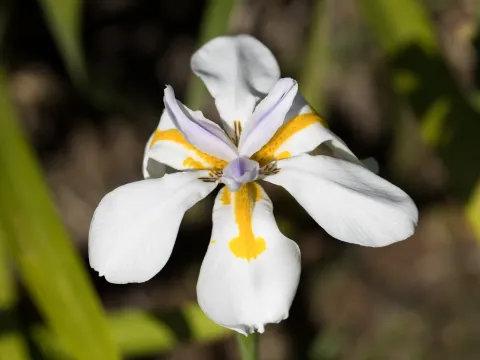
Dietes
Dietes
Dietes, a member of the Iridaceae family, is commonly propagated through seeds or the division of its thick, spreading rhizomes. Seed sowing should ideally take place in controlled greenhouse environments during late winter to ensure seedlings are robust before transplantation.
What the section contains


Dietes
Germination requires stable ambient temperatures, ideally between 20 and 22 degrees Celsius. The soil medium should be loose and provide excellent drainage to prevent the moisture accumulation that can compromise seed viability and early development.
In regions with mild climates, direct sowing into prepared garden beds is possible once the danger of spring frost has completely passed. Seeds are typically planted at a shallow depth of approximately 1 to 2 centimeters to optimize successful emergence.
Vegetative propagation via rhizome division is the preferred method for commercial and home growers aiming to maintain consistent plant quality. This process is best performed in early spring or autumn when the plant is in a state of lower metabolic activity.
Seedlings or divisions should be spaced appropriately to allow for mature spread, as the plant forms dense, clumping rosettes that require sufficient airflow to thrive over several years of cultivation.
Dietes thrives in locations that offer full sun to partial shade. The plant is noted for its impressive drought tolerance once established, though consistent watering during the growing season significantly enhances the frequency and quality of flowering.
The ideal soil for Dietes is fertile, well-draining, and slightly acidic to neutral in pH. Poorly draining soils are prone to waterlogging, which the plant cannot tolerate, often leading to rapid root decay if not corrected by adding organic matter or grit.
As a climate-sensitive species, Dietes requires moderate temperatures. While it can handle light frost, extended cold exposure can cause significant foliage damage; in harsh climates, plants should be moved to sheltered spots or grown in containers.
Proper aeration is essential for disease prevention. Maintaining distance between specimens prevents the trapping of humidity, which otherwise encourages fungal pathogens to colonize the foliage and rhizomes.
Balanced NPK fertilizers applied at monthly intervals during the peak growing phase will support lush foliage production and robust flowering stalks. Over-fertilization should be avoided to prevent excessive vegetative growth at the expense of floral output.
Common pests affecting Dietes include thrips and spider mites, which can sap the plant's vitality. Early detection followed by the application of systemic or contact insecticides is essential to prevent significant aesthetic and physiological damage.
Root rot remains the most critical threat to the health of the plant. Triggered primarily by overly wet soil conditions, this pathogen targets the rhizomes, leading to sudden plant collapse; preventing water saturation is the primary control strategy.
Fungal leaf spot diseases may appear as localized discolored patches on the foliage, typically under conditions of high humidity and poor ventilation. Effective management includes using copper-based fungicides and ensuring adequate spacing between plants.
Slugs and snails can cause significant damage to emerging shoots during damp spring weather. Implementing physical barriers or safe molluscicide baits helps protect the plant during its most vulnerable growth stages.
- Regular removal of necrotic or damaged foliage.
- Routine inspection for signs of pest infestation.
- Monitoring of soil moisture levels to prevent saturation.