
Ferraria
Ferraria Burm. ex Mill.
Description
Growing requirements
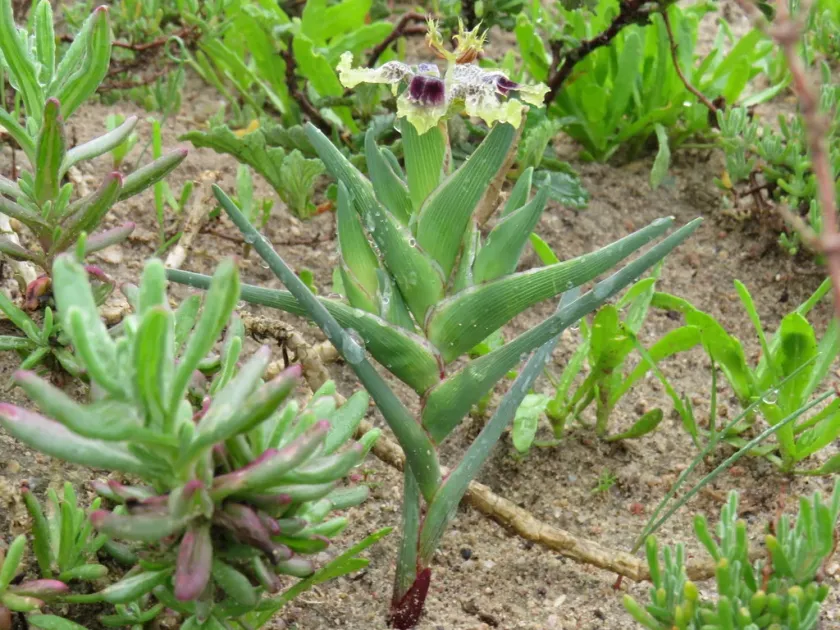
Ferraria is a genus of perennial cormous plants belonging to the Iridaceae family. Native to Southern Africa, these plants are renowned for their highly decorative, ruffled flowers that exhibit unique color patterns.
The crop thrives in well-drained, sandy or loamy soils. Providing excellent drainage is the most critical agronomic factor, as the corms are highly susceptible to rot if left in standing water for extended periods.
As a sun-loving plant, Ferraria requires full exposure to sunlight to maintain robust growth and trigger successful blooming. In regions with insufficient light, plants become etiolated and produce few flowers.
Climatic requirements involve warm growing seasons and a strict dry dormancy phase. Since the species is not frost-hardy, commercial or private growers must lift the corms before the onset of winter and store them in a cool, dry place.
The primary use of Ferraria is within the niche ornamental horticulture sector. It is commonly cultivated as a specialty pot plant or for landscaping in frost-free regions, valued for its extraordinary botanical aesthetics.
Main diseases and pests
The most common threats to Ferraria health are fungal pathogens, specifically those causing basal and corm rots. These diseases are typically induced by over-irrigation or inadequate ventilation during the dormancy storage period.
Insect pests, such as thrips and spider mites, pose significant challenges to the plant's development. They can quickly damage foliage and mar the appearance of flowers, necessitating immediate intervention.
Integrated pest management involves periodic inspection of corms for rot symptoms and using prophylactic fungicide treatments during storage. Cleanliness of storage containers is vital to prevent the spread of infections.
Application of systemic insecticides is recommended upon the first sign of pest infestation. Proper dosage adherence is essential to ensure that the delicate tissues of the plant are not subjected to chemical stress.
Effective management includes maintaining proper air circulation in greenhouse environments to discourage fungal spore proliferation. Proper spacing of plants ensures that moisture does not accumulate on the foliage for too long.