
Diplarrena
Diplarrena
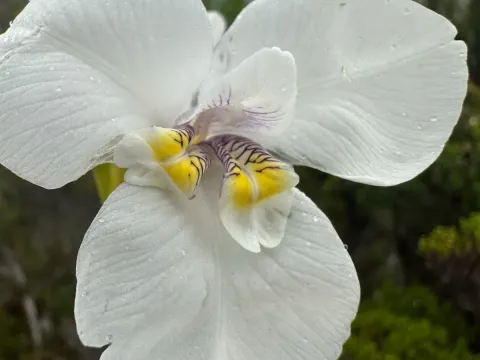
Diplarrena is a genus of perennial herbaceous plants belonging to the Iridaceae family, native to the island of Tasmania. It is a highly specialized plant that thrives in diverse environments, ranging from open scrublands to more shaded, moist forest fringes, characterized by its distinctive butterfly-shaped flowers.
What the section contains


Diplarrena
The cultural success of Diplarrena depends heavily on soil quality. It thrives in well-drained, acidic to neutral soils enriched with organic matter. Waterlogged conditions are detrimental to its long-term health, necessitating excellent drainage systems, especially in heavy clay or compacted soil types.
In terms of climate, Diplarrena prefers cool-temperate conditions with stable humidity levels. While it possesses some degree of frost tolerance, it is not considered fully hardy in extreme winter environments. Protection through mulching or cultivation in sheltered positions is recommended to ensure winter survival.
Consistent moisture management is essential during the active growing season. The plant requires regular watering to keep the substrate evenly moist but never saturated. Drought periods should be avoided, as they can cause leaf browning and inhibit the subsequent flowering cycle of the plant.
From an agricultural and horticultural perspective, Diplarrena is primarily cultivated for its high ornamental value. Its structural elegance, consisting of dense leaf rosettes and tall, slender flower spikes, makes it an excellent choice for ornamental gardens and landscape design projects requiring native aesthetic appeal.
Root rot and fungal pathogens pose the most significant threat to Diplarrena, typically triggered by improper drainage or excessive soil moisture. These diseases can quickly compromise the plant's health, leading to yellowing of the foliage and eventually the decay of the entire root system.
Pest pressure is generally low, but slugs and snails can cause significant aesthetic damage to the foliage, particularly during the humid spring months. Monitoring programs and the use of physical barriers or organic baits can effectively mitigate the damage caused by these mollusks.
Effective management includes standard phytosanitary practices such as removing decaying plant material and ensuring adequate spacing between individual plants. Good air circulation is crucial to prevent the onset of leaf spotting diseases and other moisture-loving fungal pathogens.
If disease symptoms appear, targeted treatment with registered fungicides may be required to protect the collection. Regular inspection of the root crown is vital, as this area is particularly susceptible to fungal infection when the surrounding environment lacks proper ventilation.
For container-grown specimens, it is essential to use a porous, sterile potting mix to minimize the risk of pathogen introduction. Always prioritize the sanitation of tools used for maintenance to prevent the cross-contamination of healthy plants within the garden area.